Southwest Embroidery Geometric Pattern Review
As an embroidery designer who spends hours digitizing and testing designs for boutique collections, I am always on the lookout for patterns that bring a distinct visual personality to apparel. When browsing Creative Fabrica embroidery resources for my latest seasonal drop, the Southwest Embroidery Geometric Pattern caught my eye immediately. This Graphics category item falls under the broader umbrella of Patterns, offering a versatile tool for decorators looking to add ethnic flair to their custom apparel.
I recently evaluated this design with the intention of incorporating it into a small sweatshirt and hoodie collection. Below is my professional assessment of how this machine embroidery design performs in real-world applications, from initial visual impact to practical construction notes.
First Impressions and Visual Mood
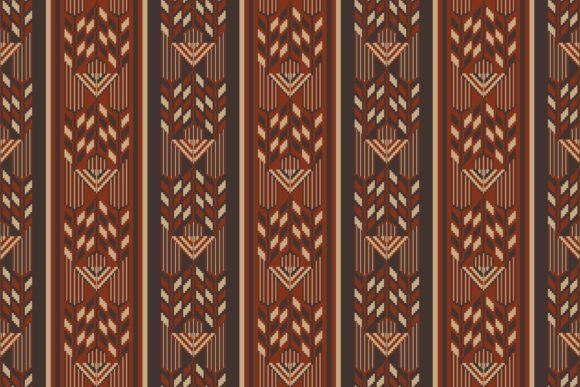
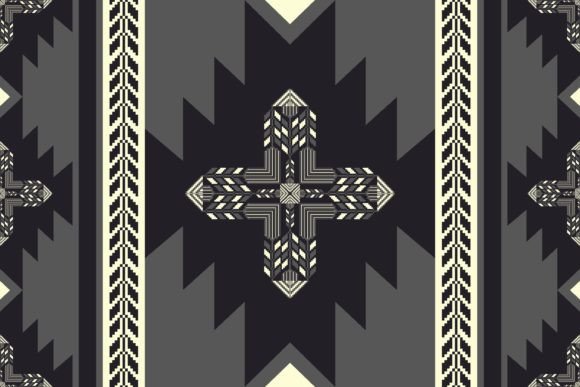
The moment you load this embroidery file onto the screen, the aesthetic is unmistakable. It carries a strong rustic bohemian style that feels both timeless and trendy. The vector-based nature of the source means the lines are crisp, which translates well when converted into stitches. For a boutique brand aiming for a lifestyle look, this pattern strikes a balance between bold geometric strength and delicate ethnic detailing.
In terms of mood, the design leans heavily into a rustic yet playful vibe. It is not overly feminine or minimal; instead, it has a grounded, earthy energy that pairs exceptionally well with neutral tones. Whether you are targeting the Etsy seller market or building inventory for a physical shop, this design offers a premium feel without appearing cluttered. The seamless aspect of the pattern allows for creative scaling, making it suitable for everything from tiny sleeve accents to large back prints.
Performance on Apparel Projects
One of the primary reasons I selected this Southwest Embroidery Geometric Pattern was its adaptability across different garment types. Here is how it performed during my testing phase:
- Sweatshirt Embroidery: On mid-weight cotton fleece, the geometric shapes held their structure beautifully. The contrast against heather grey or oatmeal-colored fabrics highlighted the intricate details of the Aztec-inspired motifs.
- Hoodie Chest Placement: When scaled down for a left-chest placement, the pattern acted as a sophisticated logo alternative. It felt more curated than a standard text-based logo, adding immediate value to the hoodie design.
- Sleeve Accents: Running the pattern vertically along the seam of a sleeve created a striking detail. This worked particularly well on oversized garments where the extra fabric provided ample space for the design to breathe.
- T-Shirt Embroidery: On lighter jersey knits, the pattern required careful stabilizer selection to prevent puckering, but the final result was sharp and professional.
- Tote Bag Design: Canvas totes benefited greatly from the dense, structured nature of the geometric lines. The pattern added a tactile element that flat-printed designs often lack.
This versatility makes it an excellent choice for commercial embroidery projects where variety is key. You can create a cohesive line using the same digital embroidery file across tees, hoodies, and accessories.
Styling for Boutique Merchandise
To maximize the appeal of this handmade product, consider pairing it with specific thread colors. Earthy tones like terracotta, sage green, or mustard yellow enhance the southwestern theme. Alternatively, high-contrast white or black thread on dark garments creates a modern, graphic look. For lifestyle product photos, styling these pieces with denim jackets or cozy seasonal outfits emphasizes the bohemian aesthetic, making them highly shareable on social media graphics.
Practical Considerations and Limitations
While the design is visually strong, there are specific areas where caution is advised. As an experienced designer, I know that a beautiful digital asset does not always translate perfectly to every surface.
- Dense Stitch Areas: Ensure your digitizing software handles the density correctly. Too much stitch overlap can make the fabric stiff, which is undesirable for soft apparel.
- Stretchy Fabric: Be mindful when embroidering on highly stretchy materials like thin spandex blends. The geometric rigidity of the pattern may crack or distort if the fabric stretches beyond the stability of the stitches.
- Small Chest Placement: If scaling the pattern too small, fine details may become lost. Test at 50% scale first to ensure readability.
- Curved Surfaces: Embroidering directly onto curved surfaces like the front of a baseball cap or a rounded tote bag requires advanced hooping techniques. Flat surfaces yield the best results for this specific pattern.
Additionally, avoid placing this design near ribbed cuffs or collars where friction might cause wear over time. The geometric edges, while sharp, can be prone to snagging if the stitch density is not optimized.
Impact on Brand Identity and Value
Using a unique Southwest Embroidery Geometric Pattern significantly elevates the perceived value of a small shop product. In a crowded marketplace, custom embroidery signals quality and attention to detail. Buyers trust brands that offer textured, multi-dimensional designs over simple printed graphics.
This design contributes to visual consistency across your catalog. By using the same geometric language across t-shirts, hoodies, and printable mockups, you build a recognizable brand identity. Customers associate the distinct southwestern motif with your boutique brand, fostering customer engagement and repeat purchases.
Essential Designer Notes Before Production
Before committing to a full production run, please adhere to these critical steps:
- Test on Scrap Fabric: Always run a test stitch-out on the exact fabric type you plan to use. Different weaves absorb thread differently.
- Check Stabilizer Choice: Use appropriate cut-away or tear-away stabilizers depending on the garment weight. A heavy stabilizer is needed for thick fleece to support the pattern’s structure.
- Review Thread Color Contrast: High contrast ensures the geometric shapes pop. Low contrast threads may get lost in textured fabrics.
- Confirm Hoop Size: Verify that your machine’s hoop size accommodates your intended design dimensions. You may need to split the pattern if it exceeds standard hoops.
- Inspect Stitch Density: Look closely at the digitized file for any overlapping stitches that could cause needle breakage or thread jams.
- Verify Licensing: Although this is a Commercial embroidery friendly resource, always double-check the specific license terms on Creative Fabrica before selling finished products.
The Southwest Embroidery Geometric Pattern is a robust addition to any decorator’s toolkit. Its blend of rustic charm and geometric precision makes it ideal for creating standout finished product lines. By paying attention to fabric choice and stabilization, you can leverage this design to create high-quality, desirable apparel that resonates with today’s fashion-forward consumers.