Embroidery Ethnic Chevron Stripe Pattern Review
As an embroidery designer who has spent years translating digital concepts into tangible thread, I approach every new asset with a mix of creative excitement and practical skepticism. When Embroidery Ethnic Chevron Stripe Pattern landed in my review queue, I didn’t just see a pretty graphic; I saw potential inventory for small businesses, branding opportunities for boutiques, and texture for handmade products. This article serves as a professional review of this design, evaluating its viability for commercial use, from branded patches to custom apparel.
First Impressions: Visual Personality and Aesthetic
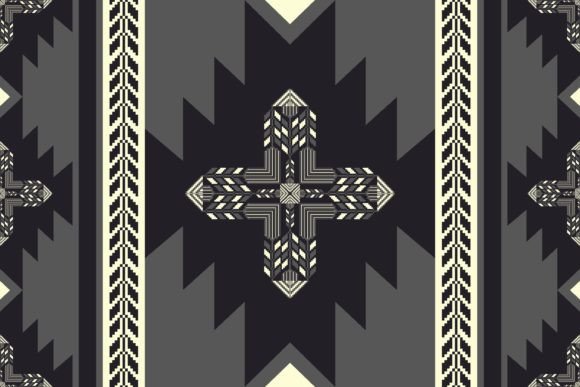
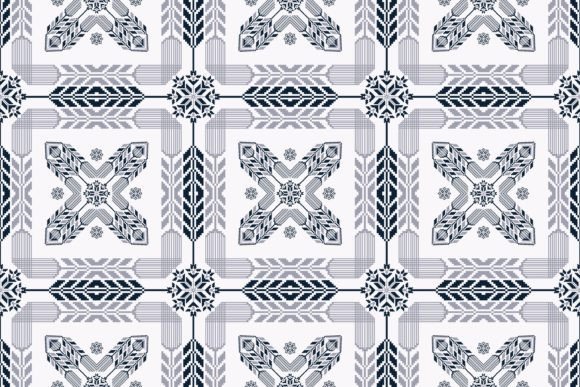
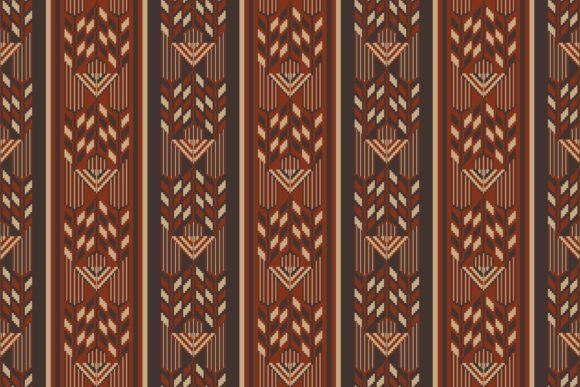
The title suggests a fusion of traditional folk art and modern geometric structure. Upon initial inspection, the Embroidery Ethnic Chevron Stripe Pattern delivers on that promise. It feels rustic yet refined, striking a balance between playful and elegant. The chevron and herringbone elements provide a rhythmic visual flow that is inherently pleasing to the eye, while the ethnic undertones add a layer of authenticity and warmth.
For small business owners and Etsy sellers, this aesthetic is highly marketable. It does not scream "corporate" nor does it feel overly casual. Instead, it occupies a sweet spot that works beautifully for artisanal brands, craft studios, and lifestyle companies. The seamless nature of the pattern implies versatility, suggesting that it can be tiled or repeated without jarring interruptions—a crucial feature for designing continuous borders on aprons, tote bags, or fabric panels.
Real-World Business Applications
Let’s move beyond theory and discuss how this embroidery file performs in actual production scenarios. Small businesses are constantly looking for ways to elevate their small business merch without breaking the bank on custom tooling. Here is where Embroidery Ethnic Chevron Stripe Pattern shines:
- Embellished Patches: The geometric clarity of the chevron stripes makes it an excellent candidate for embroidered patches. Whether used as a standalone badge on denim jackets or as a trim detail on backpacks, the pattern holds its shape well. It adds a premium feel to basic garments, allowing brands to increase perceived value.
- Staff Uniforms and Aprons: For cafes, bakeries, or florists, uniformity is key. Using this pattern as a chest logo accent or a sleeve detail creates a cohesive brand identity. It is friendly enough for customer-facing roles but structured enough to look professional. Imagine a barista wearing a black apron with a subtle, light-colored chevron stripe border—it instantly signals quality and attention to detail.
- Caps and Headwear: Cap embroidery often relies on bold, simple shapes due to the curved surface. However, if scaled correctly, this pattern can work beautifully as a band around the crown or as a repeating motif on the side panel. It offers a unique alternative to standard solid-color embroidery, helping brands stand out in a crowded market.
- Tote Bags and Product Packaging: Tote bags are walking billboards. Applying this pattern as a large-scale background or a focused central graphic turns a simple canvas bag into a fashion statement. Similarly, using it as a decorative element on product packaging accents—such as embroidered tags or box liners—enhances the unboxing experience for customers.
- Custom Apparel Accents: Beyond full garments, this design is perfect for cuff details, collar trims, or pocket squares. These small touches of machine embroidery design sophistication can differentiate a handmade product from mass-produced alternatives.
Strategic Considerations and Limitations
No design is perfect for every application. As a designer, I must highlight areas where Embroidery Ethnic Chevron Stripe Pattern requires careful execution to avoid common pitfalls.
Size Constraints: While the pattern is seamless, it may lose its impact when reduced to very small patch sizes. Fine geometric lines can merge together if the stitch density is too high or the scale is too small. I recommend testing the design at least 50% smaller than your intended final size to ensure legibility.
Fabric and Surface Compatibility: Embroidery interacts dynamically with fabric texture. On highly textured materials like thick wool or burlap, the crispness of the chevron lines might be obscured. Conversely, on smooth fabrics like cotton twill or polyester blends, the design will pop with maximum clarity. Be cautious when embroidering on dark uniforms; ensure there is sufficient thread color contrast, or consider using a contrasting underlay to prevent show-through.
Curved Surfaces: When applying this to caps or rounded items, distortion can occur. The straight lines of the herringbone pattern may warp if the hoop tension is uneven or if the fabric stretches during stitching. Proper hooping techniques and potentially using tear-away stabilizer for temporary support are essential to maintain the integrity of the geometric shapes.
Impact on Brand Identity and Customer Trust
In the world of handmade products and boutique branding, visual consistency is paramount. Using a high-quality digital embroidery file like Embroidery Ethnic Chevron Stripe Pattern signals professionalism to your customers. It shows that you care about the details that go into your products.
This design fosters trust by associating your brand with craftsmanship. The ethnic and folk-inspired elements evoke a sense of heritage and authenticity, which resonates deeply with consumers who value story-driven brands. When customers see consistent use of this pattern across various touchpoints—from social media graphics to physical merchandise—they begin to recognize your brand identity instantly. This visual repetition builds engagement and loyalty, turning one-time buyers into repeat customers.
Furthermore, incorporating such distinctive design assets into your finished product elevates the perceived value. Customers are often willing to pay a premium for items that appear handcrafted and thoughtfully designed, rather than generic and mass-produced.
Practical Designer Notes for Production
Before integrating Embroidery Ethnic Chevron Stripe Pattern into your commercial workflow, follow these essential steps to ensure success:
- Black and White Test: Print the design in grayscale first. This helps you evaluate the contrast and spacing without the distraction of color. If it doesn’t read clearly in black and white, it may struggle in embroidery.
- Thread Color Contrast: Experiment with different thread colors. High contrast between the background fabric and the thread is vital for geometric patterns. Avoid low-contrast combinations that might make the chevrons disappear.
- Stitch Density Review: Check the stitch density settings in your embroidery software. Geometric patterns can become stiff or bulky if over-stitched. Adjust the density to keep the fabric flexible and the design comfortable to wear.
- Mockup Creation: Create a printable mockup or a digital rendering before committing to production. This allows you to visualize how the pattern looks on the actual item, such as a cap front or apron bib, and make adjustments before wasting materials.
- Commercial Licensing: Always confirm the commercial licensing terms of the design assets. Ensure you have the right to use the pattern for resale items, such as embroidered patches or custom apparel, to avoid legal issues.
- Real Fabric Testing: Never skip the test run on real fabric. Digital screens do not accurately represent how thread reflects light or how stitches sit on specific textile fibers. Test on the actual material you plan to use for your final product.
In conclusion, Embroidery Ethnic Chevron Stripe Pattern is a versatile and visually appealing asset for any embroidery-focused business. Its blend of ethnic charm and geometric precision makes it suitable for a wide range of applications, from branded merchandise to uniform accents. By following best practices in preparation and production, you can leverage this design to enhance your brand identity and create memorable, high-quality products for your customers.