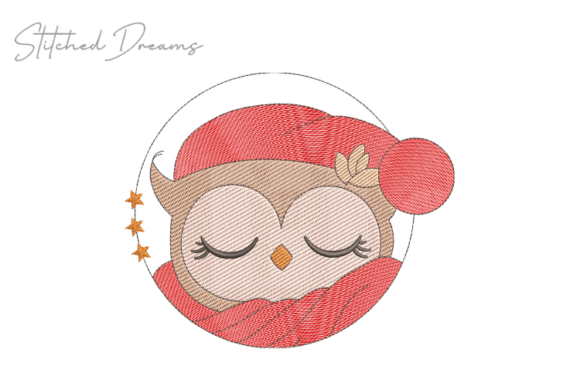
Sleeping Owl Embroidery Design Review
As an embroidery designer who has spent years turning digital concepts into tangible brand assets, I approach every new embroidery file with a mix of creative enthusiasm and technical skepticism. When it comes to small business merchandise, the difference between a successful product line and a return-heavy disappointment often lies in the design’s versatility and clarity. Today, I am reviewing the Sleeping Owl Embroidery Design, a piece that promises to capture the serene beauty of rest. While the accompanying description mentions a "Sleeping Girl," the title and category suggest a focus on avian motifs within the Birds niche, which is a popular trend for cozy, lifestyle-oriented brands. This review evaluates how this design performs as a commercial asset for branded patches, uniforms, caps, and small business merch.
First Impressions: Visual Personality and Brand Fit
The initial aesthetic of the Sleeping Owl Embroidery Design leans heavily into the handmade, premium, and elegant categories. For boutique owners and Etsy sellers, this visual personality is invaluable. It does not scream for attention like bold, graphic logos; instead, it whispers quality and care. This subtlety makes it an excellent choice for brands that want to convey trust, relaxation, and artisanal craftsmanship.
In the context of modern branding, customers are increasingly drawn to products that feel personal and thoughtful. A design featuring a sleeping owl or a peaceful figure suggests a pause from the hustle of daily life. This emotional connection can significantly enhance brand identity. When a customer sees this design on a tote bag or an apron, they associate those qualities—serenity, beauty, and delicacy—with your business. It elevates the perceived value of the finished product, making items feel less like mass-produced goods and more like curated experiences.
Real-World Business Applications
One of the most critical aspects of any machine embroidery design is its adaptability across different mediums. The Sleeping Owl Embroidery Design shows strong potential for several key applications in the small business sector:
- Embroidered Patches: This design is ideal for creating iron-on or sew-on patches. These patches can be used to personalize denim jackets, backpacks, or hats, serving as a powerful marketing tool when customers wear your branding in public.
- Staff Uniforms and Aprons: For cafes, bakeries, or florists, adding a subtle apron embroidery detail can unify staff appearance while maintaining a friendly, approachable vibe. The delicate nature of the design ensures it looks professional without being overpowering.
- Cap Embroidery: The compact nature of many owl designs allows them to fit well on the front panel of baseball caps or beanies. This is a staple item for craft fairs and local events, offering high visibility.
- Tote Bag Design: Canvas totes are a favorite among eco-conscious consumers. Placing this design centrally or off-center on a tote bag creates a chic, artistic look that encourages repeat usage and free advertising.
- Custom Apparel: Beyond basics, this design works well on sweatshirts, hoodies, and baby onesies, tapping into the market for comfortable, aesthetically pleasing loungewear.
Strategic Placement for Maximum Impact
When integrating this design into your product line, consider placement carefully. A chest logo accent on a work shirt adds a touch of personality without distracting from functionality. On a tote bag, a centered placement highlights the artistry, while a sleeve detail on a hoodie offers a surprise element of style. These strategic placements help in building a cohesive design assets library that feels consistent across all touchpoints.
Technical Considerations and Risk Management
While the aesthetic appeal is clear, an experienced designer must also evaluate the technical feasibility. The description notes a "delicate portrayal," which raises specific concerns regarding stitch density and scalability.
- Small Patch Sizes: If you plan to produce small patches (under 2 inches), intricate details may blur together. It is crucial to test the design at its smallest intended size to ensure readability.
- Stitch Density: High stitch density can cause fabric puckering, especially on lightweight materials like thin cotton tees or silk blends. Ensure your stabilizer choice matches the fabric weight to maintain a clean finish.
- Fabric Texture: Textured fabrics, such as heavy canvas or boucle wool, can obscure fine lines. Smooth fabrics generally yield the best results for delicate designs.
- Thread Color Contrast: Verify that the chosen thread colors provide sufficient contrast against the base fabric. Low contrast can make the design appear muddy or invisible, particularly in low-light environments.
Additionally, be cautious when applying this design to curved surfaces like cap fronts. Distortion can occur if the hoop tension is not perfectly calibrated. Always run a test sample on the actual material before committing to bulk production.
Impact on Customer Trust and Engagement
Professionalism in embroidery is not just about neat stitches; it is about visual consistency. Using a high-quality digital embroidery file like the Sleeping Owl Embroidery Design signals to your customers that you pay attention to detail. This attention to detail translates directly into customer trust. When a product looks polished and well-made, buyers are more likely to perceive the brand as reliable and established.
Furthermore, unique designs foster buyer engagement. Customers love sharing their purchases on social media. A beautifully embroidered owl or sleeping figure is photogenic and shareable, potentially generating organic reach for your brand. By providing printable mockups during the sales process, you allow customers to visualize the final product, reducing hesitation and increasing conversion rates.
Practical Designer Notes for Production
To ensure the best results with this design, follow these practical steps before launching your merchandise:
- Test in Black and White: Convert the design to monochrome to check for balance and spacing issues that color might hide.
- Inspect Spacing: Look closely at the negative space within the design. Are there areas where stitches are too close together, risking thread breaks?
- Confirm Hoop Size: Ensure the design fits comfortably within your standard hoop sizes to avoid trimming errors.
- Use Proper Stabilizer: Select a stabilizer (cut-away, tear-away, or water-soluble) appropriate for the fabric type to prevent distortion.
- Create a Mockup: Use software to create a realistic mockup for client approval. This helps manage expectations and reduces revision cycles.
- Compare Assets: Place the design beside other elements in your collection to ensure visual harmony.
- Check Licensing: Most importantly, confirm the commercial licensing terms of the embroidery file. Ensure you have the right to sell physical products made from this design to avoid legal complications.
Final Verdict
The Sleeping Owl Embroidery Design is a strong contender for small business owners looking to add a touch of elegance and warmth to their product offerings. Its suitability for custom apparel, tote bag design, and branded accessories makes it a versatile addition to any commercial embroidery workflow. However, success depends on proper technical execution. By testing thoroughly, choosing the right materials, and leveraging its emotional appeal, you can turn this digital pattern into a profitable and beloved part of your brand identity.
For those seeking to differentiate their handmade product line with designs that resonate on a deeper level, this piece offers a compelling blend of artistry and professionalism. Just remember to verify all technical specifications and license rights before production begins.