Bunny Machine Embroidery Design File Review
As an experienced embroidery designer who has spent years refining stitches and testing fabrics for commercial use, I approach every new digital file with a mix of curiosity and skepticism. When Bunny Machine Embroidery Design File landed in my inbox, I didn’t just look at the preview image; I imagined it stitched onto actual products destined for real customers. For those of us running small shops on Etsy or managing inventory for craft fairs, the difference between a design that looks good on screen and one that performs beautifully in the hoop is everything.
This review is based on a practical assessment of how this design would perform as a centerpiece for personalized gifts. Whether you are creating baby blankets, wedding keepsakes, or custom aprons, understanding the nuance of a design like Bunny Machine Embroidery Design File is crucial for maintaining high standards and customer trust.
First Impressions: Charm and Emotional Appeal
The immediate feeling evoked by this design is one of gentle nostalgia. In the world of machine embroidery design, "cute" can sometimes tip over into "cheap," but this file strikes a balance that feels timeless. It captures the essence of the Baby Animals category without relying on overly complex shading that might confuse smaller machines. The charm lies in its simplicity and clean lines, making it versatile enough for a wide range of aesthetics—from modern minimalist nurseries to traditional country-style decor.
For the personalized gift market, emotional connection is key. A bunny motif naturally triggers feelings of warmth, innocence, and care. This makes it an ideal candidate for baby embroidery projects. When a mother sees her child’s name stitched beneath this playful figure, the perceived value of the item skyrockets. It doesn’t just look like a product; it looks like a memory waiting to be made. The design’s mood is sweet yet elegant, avoiding the cluttered look that often plagues mass-produced digital files.
Product Applications and Market Potential
One of the strongest assets of Bunny Machine Embroidery Design File is its adaptability. As an Etsy seller or small shop product creator, you need designs that can be repurposed across multiple categories to maximize your return on investment. Here is how this design translates to finished goods:
- Nursery Items: The soft appeal of the bunny makes it perfect for crib sheets, muslin cloths, and wall hangings. It fits seamlessly into gender-neutral color palettes, expanding your potential buyer base.
- Kitchen Textiles: Surprisingly, this design works beautifully on embroidered towel sets. A simple bunny outline paired with a family surname adds a touch of whimsy to kitchen linens, appealing to homeowners who want functional art.
- Wedding and Baby Showers: For wedding gift ideas, consider using this on guest book covers or favor boxes. It signals thoughtfulness and attention to detail, which are traits buyers look for in custom embroidery services.
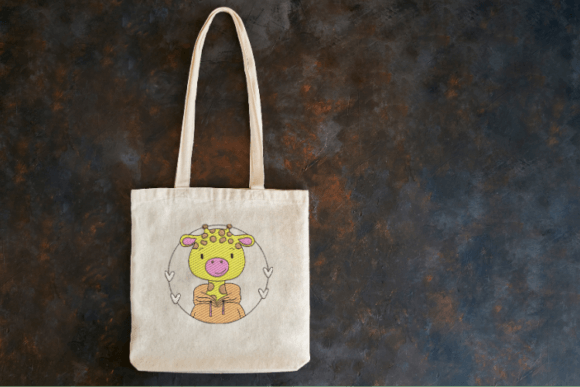
- Apparel and Accessories: While less common for formal wear, this design shines on denim jackets, canvas tote bags, and cotton aprons. It brings a handmade quality to everyday items, transforming them into handmade product statements.
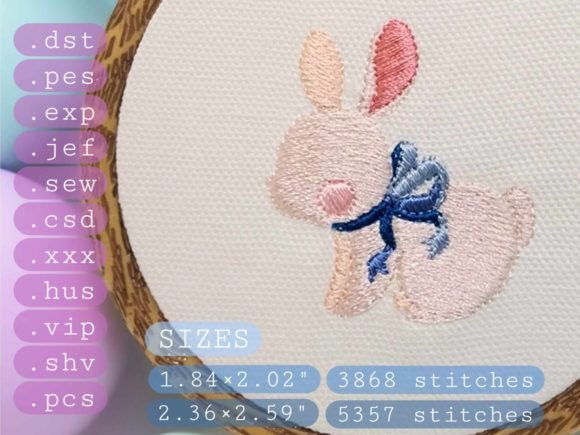
When listing these items online, high-quality printable mockup images are essential. Showing the Bunny Machine Embroidery Design File stitched on different fabric textures helps buyers visualize the final result, reducing hesitation and increasing conversion rates.
Where Caution Is Required
No design is perfect for every application. As a professional, I must highlight areas where Bunny Machine Embroidery Design File requires careful consideration. First, always assess the scale. If the design includes tiny details or small lettering, it may become muddy if scaled down too much for small items like pacifier clips or booties. Test the legibility before committing to production.
Fabric choice is equally critical. Avoid using this design on thick terrycloth towels or highly textured fabrics unless you have tested the stitch penetration. The machine may struggle to push the needle through dense material, leading to skipped stitches. Similarly, stretchy baby clothes require a stable stabilizer to prevent distortion. If the stitch density is too high for lightweight jersey, the fabric will pucker, ruining the finished product quality.
Dark fabrics also present a challenge. Depending on the thread colors used, contrast may be low. Always create a test run on dark fabric to ensure the design pops. If the details are lost in shadow, the design loses its impact. Additionally, consider the end-use frequency. For items that will undergo frequent washing, such as daily-use bibs, ensure the stitching is secure and the threads are durable to maintain integrity over time.
Technical Execution and Best Practices
To get the best results from this digital embroidery file, proper preparation is non-negotiable. Here are the steps I recommend before starting any commercial order:
- Test on Scrap Fabric: Never stitch directly onto your final product. Use scrap pieces of the intended fabric to check how the design behaves. Look for puckering, thread breaks, or misalignment.
- Check Thread Color Contrast: Experiment with different thread combinations. A light grey bunny on white fabric might lack definition, whereas a soft pastel pink could offer better visibility and aesthetic appeal.
- Confirm Hoop Size: Ensure the design fits comfortably within your machine’s standard hoops. If the design is large, you may need to split it or use a larger hoop, which affects your workflow and cost.
- Use Proper Stabilizer: The right stabilizer is the backbone of a good stitch-out. For delicate baby items, a tear-away stabilizer might be sufficient, but for heavier fabrics, a cut-away may be necessary to provide long-term support.
- Review Stitch Density: High-density fills can make a project stiff and uncomfortable, especially for baby products. If the design feels too rigid, consider switching to satin stitches or adding negative space to improve drape.
- Verify Commercial Licensing: Before selling any items made with this file, confirm the licensing terms. Most commercial embroidery licenses allow for unlimited sales, but some restrict the number of units or require specific attribution. Protect your business by staying compliant.
Impact on Giftability and Brand Trust
In the handmade market, perception is reality. A well-executed Bunny Machine Embroidery Design File elevates the perceived value of your brand. Customers are willing to pay a premium for items that look professionally finished. When a buyer receives a pillow cover or blanket embroidery piece that is smooth, evenly stitched, and free of loose threads, their trust in your shop increases. This leads to repeat business and positive reviews, which are vital for growth.
Furthermore, the emotional resonance of a bunny-themed design fosters a deeper connection. Buyers aren’t just purchasing fabric and thread; they are buying a sentiment. By ensuring the technical aspects are flawless, you honor that sentiment. You demonstrate that you care about the recipient’s experience, not just the sale.
Ultimately, Bunny Machine Embroidery Design File is a strong addition to any designer’s library. It offers versatility, charm, and broad market appeal. However, success depends on your ability to execute it correctly. By following these practical tips and respecting the nuances of fabric and stitch work, you can transform a simple digital file into a treasured heirloom. Whether you are a seasoned pro or just starting out, taking the time to test and refine ensures that your custom embroidery projects stand out in a crowded marketplace.