Yorkie Dog Machine Embroidery I Love Dog Review
As an experienced embroidery designer who spends weekends navigating the bustling aisles of craft fairs and handmade markets, I have learned that not every digital file translates into a bestseller. The gap between a cute digital preview and a tangible, high-quality product is where many new sellers stumble. Today, I am reviewing the Yorkie Dog Machine Embroidery I Love Dog design to determine its viability for commercial production. This review focuses on practical application, visual impact, and production efficiency for entrepreneurs looking to stock their booths with profitable Dogs themed merchandise.
First Impressions and Visual Appeal
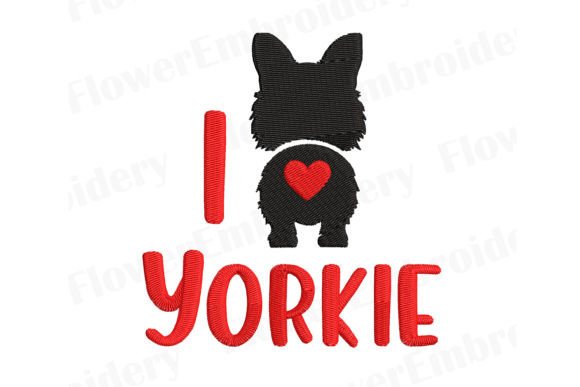
The title Yorkie Dog Machine Embroidery I Love Dog suggests a design that balances affectionate sentiment with breed-specific charm. In the context of a market booth, first impressions are everything. Customers often decide whether to stop at your table within seconds. A design that reads clearly from three feet away is essential. Based on the description, this piece appears to be versatile enough to serve as either a focal point or a charming accent.
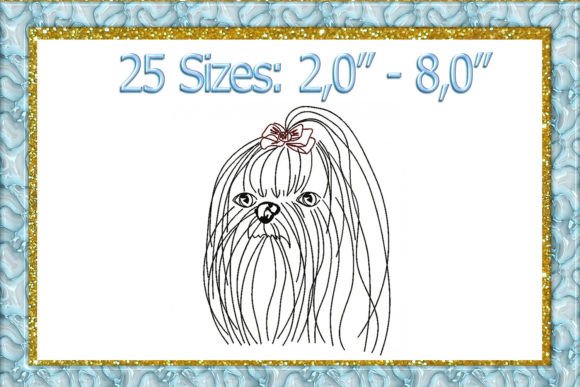
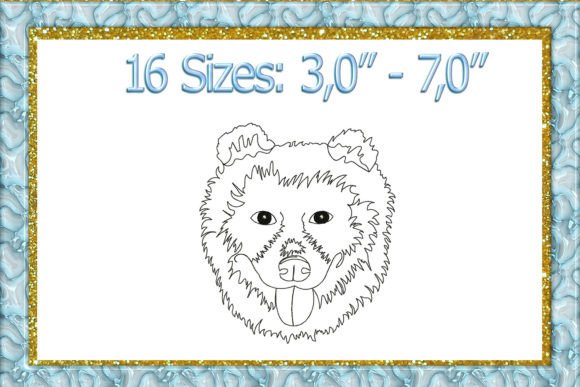
For a weekend seller, the emotional connection is key. Yorkies are popular pets known for their big personalities despite their small size. A design featuring this breed with the phrase "I Love Dog" likely taps into the "farmhouse," "rustic," or "modern cute" aesthetics that dominate the handmade market. It feels approachable, soft, and decorative. This is not just a logo; it is a statement piece that resonates with dog lovers. When evaluating embroidery files, I always look for clarity in line work. If this design captures the distinctive silky texture of a Yorkshire Terrier without becoming muddy, it will stand out against the noise of mass-produced goods.
Product Versatility and Market Fit
The true value of a machine embroidery design lies in its adaptability. The description highlights its suitability for pillows, tote bags, jackets, and framed artwork. Let us break down how Yorkie Dog Machine Embroidery I Love Dog performs across these specific categories.
- Tote Bags and Market Bags: This is perhaps the strongest category for this design. A tote bag design featuring a beloved pet breed is a perennial seller. The contrast of embroidered thread on canvas or cotton duck creates a premium feel. Customers appreciate the durability and personal touch of a handmade product they can use daily.
- Apron Embroidery: Kitchen textiles remain a staple at craft fairs. An apron embroidery featuring this design adds a touch of personality to the kitchen. It appeals to home cooks who also happen to be dog enthusiasts. The placement on the chest or pocket area allows the design to shine without interfering with the apron’s function.
- Tea Towel Embroidery: Smaller items like tea towels offer lower price points, which can attract impulse buyers. A tea towel embroidery version of this design allows you to test the market with less inventory risk. However, ensure the design scales well; intricate details may get lost on smaller fabric surfaces.
- Patches and Caps: For the fashion-conscious buyer, an embroidered patch or cap design is highly desirable. Patches allow customers to customize their own gear, extending the life of your brand. A cap design requires careful attention to curvature, but a successful execution here can command a higher price point.
- Pillow Covers and Framed Artwork: Home decor items benefit from the texture of embroidery. A pillow cover featuring this design brings warmth to a living space. Framed artwork, using stabilizer as a backing, offers a unique, gallery-style product that differentiates you from standard textile sellers.
Production Practicality and Batch Efficiency
For any Etsy seller or boutique maker, time is money. A design that is difficult to digitize or prone to errors during production will eat into your profit margins. When reviewing design assets, I look for consistency and ease of stitching.
The versatility mentioned in the product description suggests that the core elements of the design are robust. If the stitch density is balanced, you can produce multiple units efficiently. Batch production is crucial for meeting demand at busy craft fairs. You want a small shop product that can be replicated with minimal variation. Check the stitch density carefully; overly dense areas can cause puckering, especially on lightweight fabrics like tea towels or thin cotton blends. Conversely, sparse designs may look unfinished on textured fabrics.
Photography is another critical production step. A design that photographs well online translates to better sales for your Etsy listings. The contrast between the thread colors and the fabric background must be clear in images. Ensure you create a printable mockup or shoot real samples under natural light to see how the thread colors interact with different fabric hues. Neutral backgrounds often help the design pop, allowing the customer to imagine the item in their own home.
Careful-Use Notes and Technical Considerations
Before committing to full-scale production, there are several technical factors to consider. Not all digital embroidery files behave the same way on every machine or fabric.
- Hoop Size and Placement: Confirm the recommended hoop size for this design. If the design is large, you may need a larger hoop, which limits the types of garments you can embroider (e.g., fitted caps or narrow sleeves). Ensure the design fits comfortably within standard hooping dimensions for your target products.
- Fabric Texture and Stabilizer: The choice of stabilizer is vital. Heavier fabrics like denim or canvas may require cut-away stabilizer for permanence, while lighter fabrics might do well with tear-away. Test on scrap fabric to see if the fabric texture interferes with the stitch definition. Rough textures can sometimes obscure fine details.
- Thread Contrast and Clarity: Evaluate the thread colors used in the design. High contrast generally ensures better readability, especially for text elements like "I Love Dog." If the design includes tiny details, such as the Yorkie’s eyes or whiskers, ensure these are not so small that they become indistinct after washing or wear.
- Dark Fabric Challenges: Embroidering on dark fabrics requires adequate coverage stitches. If the design has open areas, you may need to add a backing layer or use a denser stitch pattern to prevent the dark fabric from showing through. Always inspect the underlay stitches to ensure stability.
Final Verdict for Craft Fair Sellers
The Yorkie Dog Machine Embroidery I Love Dog design shows strong potential for success in the handmade market. Its appeal lies in its emotional resonance and versatility across multiple product categories. From tote bags to apron embroidery, this design can serve as a cornerstone for a cohesive booth display. It aligns well with current trends favoring personalized, pet-themed decor and accessories.
To maximize its effectiveness, I recommend creating a diverse range of samples. Display the design on a variety of textiles to show customers the possibilities. Use high-quality threads to enhance the visual depth, and ensure each finished product is pressed and packaged professionally. Remember to confirm commercial licensing rights before selling any commercial embroidery items derived from this file.
By testing the design thoroughly, paying attention to stitch density and fabric compatibility, and presenting it effectively, you can turn this digital asset into a profitable physical product. For the savvy craft fair product creator, attention to detail is what separates a good booth from a great one. This design, executed with care, has the makings of a crowd-pleaser that drives engagement and sales.