Yellow Floral Dinosaur Embroidery Review
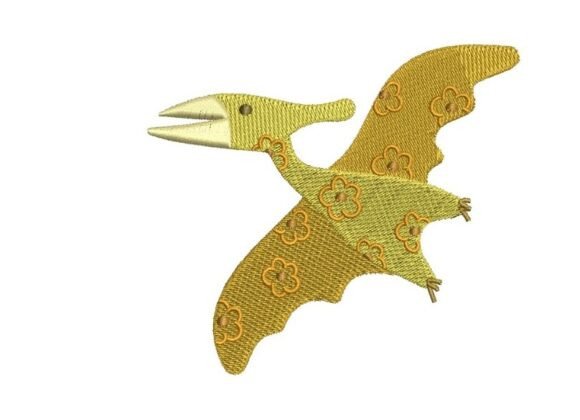
As an embroidery designer who spends weekends hunched over a sewing machine and weekdays planning booth layouts for craft fairs, I am always on the lookout for designs that stop traffic. We all know the struggle: you spend hours setting up your table, arranging your handmade product displays, and then realize your key piece doesn’t quite pop against the backdrop of hundreds of other booths. That is why I take every new machine embroidery design with a critical eye. Today, I am reviewing the Yellow Floral Dinosaur Embroidery, a whimsical take on prehistoric creatures that promises to bring a splash of color and charm to any collection.
This isn’t just about whether the file runs cleanly through the hoop; it is about whether this design translates into a sellable item. Will it attract parents? Will it appeal to dinosaur enthusiasts who also appreciate floral aesthetics? Let’s dive into how this embroidery file performs in the real world of handmade markets and online shops.
First Impressions and Visual Appeal
The title alone suggests a specific vibe: cheerful, unexpected, and slightly retro. The description highlights a "charming flying dinosaur" adorned with "vibrant floral patterns." From a design perspective, this combination works because it merges two distinct aesthetic worlds—the rugged, playful nature of dinosaurs with the soft, organic feel of florals. This contrast creates immediate visual interest.
In a crowded market, simplicity often wins, but novelty sells. A standard dinosaur might feel too juvenile or aggressive, while a pure floral arrangement might blend in with the thousands of botanical designs available. The Yellow Floral Dinosaur Embroidery strikes a balance. It feels modern yet nostalgic, making it versatile enough for various demographics. The yellow base color is particularly strategic; it is bright enough to catch the eye from across a booth but not so neon that it clashes with typical earthy tones found in craft fair decor.
Product Versatility: Where Does It Shine?
When evaluating a digital embroidery file, I immediately think about where it can live. A good design should be adaptable. Here is how this specific design performs across common crafter fair product categories:
- Tote Bag Design Potential: Totes are the bread and butter of many Etsy seller inventories. Placing this design centrally on a canvas tote allows the full detail of the floral wings to show. Because the design features a flying motif, it adds a sense of movement that looks fantastic on a bag that is constantly being carried around. It transforms a basic accessory into a statement piece.
- Apron Embryoidery and Kitchen Decor: For home goods, this design bridges the gap between utility and decoration. An apron featuring this dinosaur could easily fit into a farmhouse-style kitchen or a child’s playroom. Similarly, tea towel embroidery offers a smaller footprint. If the design scales well, it makes for an affordable impulse buy at a lower price point, which is excellent for moving inventory quickly during peak market hours.
- Embroidered Patch and Caps: One of the biggest trends in commercial embroidery right now is the use of patches on denim jackets, backpacks, and baseball caps. The compact nature of many floral-dino compositions works perfectly here. However, sellers must ensure the design is not too wide for standard cap panels. A well-executed embroidered patch version of this design can command a higher price per unit due to the perceived value of customization.
- Fabric Pouches and Pillow Covers: Small pouches are ideal for storing makeup, pencils, or small electronics. The durability of embroidered designs on these items means they last longer than printed graphics, appealing to customers looking for quality. On pillow covers, the design serves as a focal point, adding a touch of whimsy to nursery decor or a teenager’s bedroom.
Photography and Online Listings
For those of us selling via printable mockup services or taking our own photos, color contrast is king. The yellow in this design will photograph beautifully against neutral backgrounds like white, cream, or light grey fabrics. It provides a "pop" that draws the viewer’s eye in a scroll-heavy feed. When creating listings, consider showing the design on both light and dark fabrics to demonstrate versatility, though remember that thread colors may shift slightly depending on the fabric hue.
Production Practicality and Technical Considerations
A beautiful design is useless if it is a nightmare to produce. As a professional, I look for efficiency and consistency. Here are the practical notes every maker should consider before running this design in bulk.
Stitch Density and Detail
The description mentions "vibrant floral patterns," which implies a mix of fill stitches and possibly some satin stitches for outlines. High stitch density can make a product feel premium, but it can also cause fabric puckering if not managed correctly. Sellers need to inspect the stitch density closely. If the floral elements are too dense, they may lose definition on textured fabrics like heavy canvas or terry cloth tea towels. Conversely, if the details are too fine, they might disappear when stitched on curved surfaces like caps.
Fabric and Stabilizer Choices
To achieve a clean finish, the choice of stabilizer is crucial. For lightweight fabrics like cotton prints used in pouches, a tear-away stabilizer is usually sufficient. For heavier materials like denim for totes or caps, a cut-away stabilizer is necessary to prevent the stitching from pulling the fabric over time. Always test the design on scrap fabric first to check for tension issues and to ensure the needle does not break through delicate areas.
Hoop Size and Spacing
Confirming the hoop size required by the file is essential for planning production. If the design requires a large hoop, it limits the types of garments you can embroider without re-hooping, which increases labor time. For batch production, designs that fit comfortably within standard 5x7 or 6x10 hoops are generally more efficient. Ensure there is adequate spacing around the edges of the design to prevent trimming errors.
Marketing and Brand Consistency
From a branding perspective, the Yellow Floral Dinosaur Embroidery fits well within themes of "whimsical nostalgia" or "modern rustic." It appeals to buyers who want unique, small shop product offerings rather than mass-produced items. The uniqueness of combining flora and fauna helps differentiate your brand in a saturated market.
When displaying this at a craft fair, group similar items together. Hang the tote bags next to the matching aprons and display the patches on denim samples. This creates a cohesive story that encourages bundle purchases. Customers are more likely to buy multiple items if they see how the design complements each other.
Final Verdict for Craft Fair Sellers
The Yellow Floral Dinosaur Embroidery is a strong contender for any handmade product line focused on fun, colorful, and high-quality goods. Its ability to work across multiple product categories—from apparel to home decor—makes it a valuable asset for digital embroidery file libraries. By paying attention to technical details like thread colors, fabric texture, and proper stabilization, sellers can turn this charming design into best-selling items.
Before committing to a large run, I strongly advise creating at least one real mockup. See how the yellow holds up under natural light versus indoor lighting. Check the clarity of the floral details on different fabrics. And most importantly, confirm your commercial licensing terms to ensure you are protected when selling finished products. If executed well, this design has the potential to become a staple in your booth, drawing in customers with its unique blend of prehistoric charm and botanical beauty.