Wind Spinner Rainbow Embroidery Review
As an embroidery designer who spends weekends hunched over my machine and weekdays planning booth displays for craft fairs, I have learned that visual impact is everything. When you are standing behind a table covered in handmade goods, your products need to speak to customers before they even walk up to the booth. Today, I am reviewing Wind Spinner Rainbow Embroidery, a design asset that promises vibrant energy and movement. This review focuses on how this digital embroidery file performs when translated into physical craftr fair products, from tote bags to kitchen textiles, and whether it has the commercial viability needed for a successful handmade business.
First Impressions: Bold Energy Meets Handmade Charm
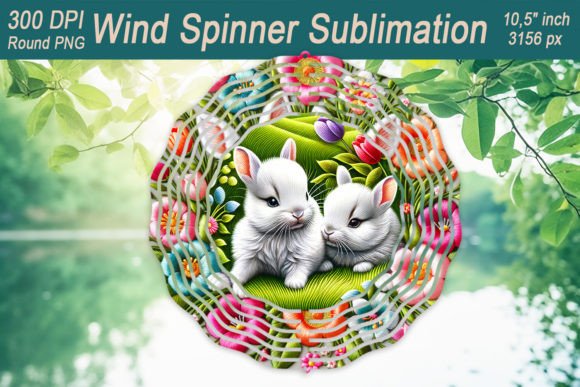
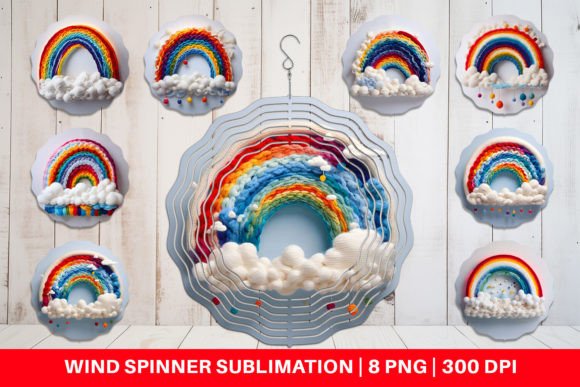
The title Wind Spinner Rainbow Embroidery immediately suggests motion, color, and joy. In the world of graphics and crafts, rainbow motifs are perennial sellers because they evoke nostalgia and positivity. However, as a professional, I look past the name to the potential execution. The description notes a "beautiful sublimation background" that can be customized with text and graphics. This hybrid nature is crucial. It implies that the core design likely features flowing, curved lines that mimic the spin of a windmill or pinwheel, rendered in a spectrum of hues.
For a craft fair seller, this design feels festive yet modern. It avoids the cliché of a static rainbow by implying rotation. When I imagine this on a white cotton tote bag, the colors pop against the neutral canvas. On a dark fabric, however, the "sublimation background" aspect requires careful consideration of thread contrast. The first impression is one of premium quality—if executed well, it looks less like a cheap print and more like a curated, artisanal piece. It fits perfectly into the current trend of cheerful, uplifting home decor and wearable art.
Product Applications: Where Does It Shine?
Not every machine embroidery design works on every product. To maximize sales, we must match the design’s strengths to the right items. Here is how Wind Spinner Rainbow Embroidery translates across various categories:
- Tote Bags and Market Bags: This is the strongest candidate. A large-scale application on a sturdy canvas tote allows the rainbow curves to flow naturally. The size gives the design room to breathe, ensuring that no details are lost. Customers love functional art, and a colorful spinner on a shopping bag signals creativity and style.
- Apron Embroidery: Placing the design on the bib or pocket of a kitchen apron adds a splash of personality to cooking gear. The curved lines of a wind spinner complement the organic shape of an apron pocket. This is a high-value item for gift-givers at holiday markets.
- Tea Towel Embroidery: Linen or cotton tea towels are staple items for any booth. The lightweight fabric allows the embroidery to lie flat without puckering. A smaller version of the spinner here acts as a charming accent, perfect for impulse buys priced between $10 and $15.
- Embroidered Patches and Caps: For caps, the design needs to be simplified. If the original file has too many tiny details, it may not hold up on the curved surface of a baseball cap. However, a cropped or centered version could work beautifully as a focal point on a denim hat. Patches offer flexibility; you can add a border to make the spinner stand out against any background.
- Pillow Covers and Small Pouches: These items benefit from the repetitive nature of the rainbow pattern. On a pillow cover, the design becomes a statement piece for home decor. On small pouches for makeup or tech accessories, it adds a touch of whimsy that appeals to younger demographics.
Production Practicality and Technical Considerations
Before adding Wind Spinner Rainbow Embroidery to your production queue, you must evaluate its technical feasibility. As an Etsy seller or small shop owner, efficiency is key. You cannot spend twenty minutes embroidering a single patch if you aim to sell fifty at a fair.
Stitch Density and Detail: Check the stitch density of the file. Rainbow designs often require multiple color changes. If the design includes tiny geometric shapes within the rainbow bands, these may become muddy or lose clarity if embroidered too small. Always test the design on scrap fabric first. Inspect the edges of the curves to ensure they are smooth and do not require excessive trimming.
Hoop Size and Placement: Confirm the recommended hoop size for the design. If the design is large, you will need a multi-hooping setup, which increases production time. For a weekend market, you want designs that can be completed quickly without sacrificing quality. Ensure your stabilizer choice matches the fabric weight; a cut-away stabilizer is usually best for woven fabrics like tote bags to prevent distortion.
Thread Colors and Contrast: The success of a rainbow design lies in the thread selection. Do not rely solely on the digital preview. Print a printable mockup or create a real sample using the actual threads you plan to stock. Look for harsh transitions between colors. Soft blends often look more premium than stark contrasts. Also, consider the base fabric. On dark fabrics, you may need an underlay stitch or a lighter base color to make the rainbow truly visible.
Selling Strategy and Visual Appeal
From a marketing perspective, Wind Spinner Rainbow Embroidery is a visual magnet. In a sea of black-and-white minimalist designs, a vibrant spinner draws the eye. It communicates happiness and creativity, which are strong emotional triggers for buyers. When photographing your finished product for online listings or social media, use natural light to enhance the saturation of the threads. Show the design in motion if possible—perhaps hanging on a rack or being carried by a model—to emphasize the "spinner" concept.
This design also supports brand consistency. If your booth has a theme of "joyful living" or "colorful crafts," this item anchors that narrative. It elevates the perceived value of simple items like tea towels or basic caps. Customers are willing to pay more for something that looks unique and thoughtfully designed. By offering customization options—such as adding names or specific dates as suggested in the product description—you create a personalized experience that drives engagement and sales.
Final Verdict for Craft Fair Sellers
Wind Spinner Rainbow Embroidery is a versatile and commercially viable asset for any handmade business. Its bold aesthetic makes it ideal for focal applications on totes and aprons, while its adaptable nature allows for use on smaller accessories. Success depends on proper technical execution: testing stitch density, choosing the right stabilizer, and ensuring high-quality thread contrast. By integrating this design into your lineup of commercial embroidery products, you can create a booth display that is both visually striking and profitable. Remember to check the specific licensing terms for digital embroidery files before mass-producing for sale, but rest assured that with careful preparation, this design has the potential to be a standout hit at your next craft fair.