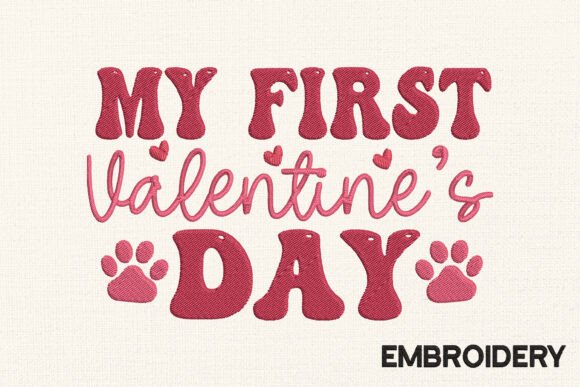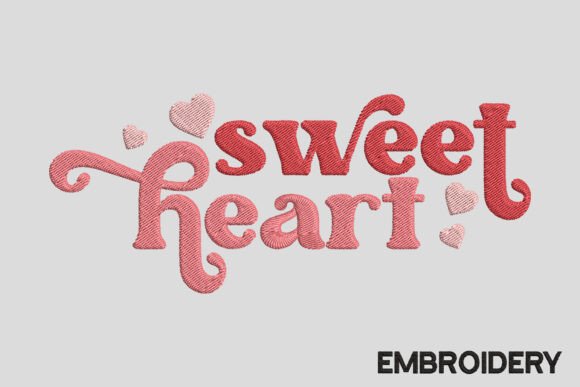
Valentine Sweet Heart Embroidery Design
As an experienced embroidery designer, I spend my days evaluating digital files not just for their aesthetic appeal, but for their commercial viability. When a small business owner or Etsy seller looks at a Valentine S Day product, they aren't just buying art; they are investing in inventory that needs to perform under the needle of an industrial machine. Today, I am reviewing the Valentine Sweet Heart Embroidery Design with a specific focus on its utility for branded merchandise, patches, and custom apparel.
The description invites you to "Celebrate the season with style and grace," promising versatility for holiday creations. But does it hold up when translated from screen to fabric? Let’s dive into the technical and branding implications of using this design for your small business merch.
First Impressions: Visual Personality and Brand Fit
When I first loaded the Valentine Sweet Heart Embroidery Design into my digitizing software, the immediate takeaway was its balance between classic romance and modern cleanliness. The title suggests a "Sweet Heart" motif, which typically leans towards playful or rustic aesthetics. However, the promise of "style and grace" implies a level of refinement that is crucial for high-end boutique items.
For brands looking to establish a premium feel, this design appears to avoid the overly cluttered look that plagues many cheap Valentine’s Day assets. It feels elegant enough for a luxury florist’s gift tags yet approachable for a local café’s staff uniforms. The visual personality strikes a chord with consumers who want handmade products that don’t look amateurish. If your brand identity relies on warmth, trust, and a touch of whimsy, this embroidered patch or logo accent fits seamlessly into that narrative.
Real-World Business Applications
The true test of any machine embroidery design is its adaptability across different product types. Here is how the Valentine Sweet Heart Embroidery Design performs in real-world scenarios for small businesses:
- Branded Patches: One of the most popular uses for this type of file is creating sew-on or iron-on patches. For a handmade shop selling accessories, these hearts can serve as standalone decorative elements on denim jackets or canvas totes. The design’s likely clean lines make it ideal for dense satin stitches often used in patch borders.
- Staff Uniforms and Aprons: Imagine a boutique bakery or a cozy coffee shop. Placing this design on the chest of a black apron adds a seasonal touch without overwhelming the professional look. It signals to customers that the business cares about details and customer experience during the holidays.
- Cap Embroidery: This design could work beautifully as a central motif on baseball caps or beanies. For a pet brand or a creative studio, embroidered caps are excellent promotional giveaways. The heart shape naturally draws the eye, making it a strong focal point for custom apparel.
- Tote Bag Design: Canvas tote bags remain a staple for eco-conscious brands. A subtle, well-executed heart embroidery on the corner of a bag elevates it from a simple carry-all to a fashion statement. It encourages repeat use, extending your brand’s visibility.
- Product Packaging Accents: Beyond clothing, consider adding this design to gift boxes or shopping bags. It enhances the unboxing experience, making the handmade product feel more special and gift-ready.
Where to Use Carefully: Technical Limitations
While the Valentine Sweet Heart Embroidery Design has potential, every digitizer knows that less is often more. There are specific contexts where this design might struggle if not handled with care:
- Small Patch Sizes: If you plan to embroider this on very small patches (under 2 inches), ensure the design isn’t too detailed. Tiny lettering or intricate outlines can merge together, resulting in a muddy appearance. Always check the stitch density at the intended final size.
- Curved Surfaces: Embroidering on curved surfaces like cap fronts or rounded hat brims requires precise hooping. Complex designs can distort if the fabric isn’t stabilized correctly. Test this design on a similar curved surface before committing to a large production run.
- High Stitch Density: If the design uses heavy fill stitches, it may become stiff and uncomfortable on delicate fabrics like silk or thin cotton. For apron embroidery or lightweight tees, lighter stitch counts are preferable for comfort.
- Dark Uniforms and Fabric Texture: Contrast is key. On dark fabrics, ensure the thread colors chosen pop against the background. Similarly, highly textured fabrics like chunky knits can hide fine details of the heart design. Smooth fabrics like twill or canvas will yield the best results.
Impact on Brand Identity and Customer Trust
In the world of e-commerce and local retail, visual consistency builds trust. Using a professional-grade digital embroidery file like the Valentine Sweet Heart Embroidery Design signals to your customers that you take pride in your craft. It moves your brand away from generic, printed goods and into the realm of personalized, artisanal quality.
Embroidery has a tactile dimension that printing cannot replicate. Customers can feel the texture of the threads, which subconsciously increases the perceived value of the item. This tactile engagement fosters a deeper connection with your brand. When a customer sees a beautifully stitched heart on a tote bag or a uniform, they perceive attention to detail, which translates to professionalism and reliability.
Furthermore, seasonal designs like this one show that your brand is current and engaged with cultural moments. It creates opportunities for social media content, allowing you to showcase behind-the-scenes shots of the embroidery process, thereby increasing buyer engagement and community building.
Practical Designer Notes for Production
Before you hit "print" on your marketing materials or start mass-producing, follow these essential steps to ensure the success of your project:
- Test in Black and White: Convert the design to grayscale to check contrast and spacing. This helps identify areas where stitches might be too close together or where negative space is insufficient.
- Check Hoop Size and File Format: Verify that the hoop size accommodates your largest product dimensions. Ensure the embroidery file format (e.g., PES, DST, JEF) is compatible with your machines.
- Use Proper Stabilizer: The choice of stabilizer (cut-away vs. tear-away) significantly affects the final look. For stretchy fabrics or heavy items, a cut-away stabilizer provides better long-term stability.
- Create a Printable Mockup: Before sewing, create a printable mockup to visualize the design on your actual product. This allows for client approval and prevents costly errors.
- Confirm Commercial Licensing: Most importantly, review the licensing terms. Ensure you have the right to use the design assets for commercial purposes, including selling finished goods. Do not assume standard personal licenses cover business use.
- Thread Color Contrast: Experiment with thread colors. A classic red on white is traditional, but try metallic gold on navy or pastel pink on cream for a more unique twist that stands out in a crowded market.
The Valentine Sweet Heart Embroidery Design offers a solid foundation for seasonal merchandise. By understanding its strengths and limitations, you can leverage it to enhance your brand’s visual identity and drive sales. Remember, the goal is not just to decorate, but to create a cohesive, professional, and desirable product line that resonates with your customers. Take the time to test, refine, and present your finished product with confidence.