Rotary Phone Mini Embroidery Review
When I am scouting for a design that balances nostalgia with modern minimalist aesthetics, I look for pieces that have strong visual identity without overwhelming the garment. Rotary Phone Mini Embroidery is exactly that kind of find. It is not just a decorative element; it is a statement piece that speaks to a specific demographic—those who appreciate vintage tech, retro communication styles, and the tactile warmth of handmade goods. As a designer who frequently transitions from digital mockups to physical production, I find this embroidery file particularly intriguing for its versatility across various product categories.
First Impressions and Visual Personality
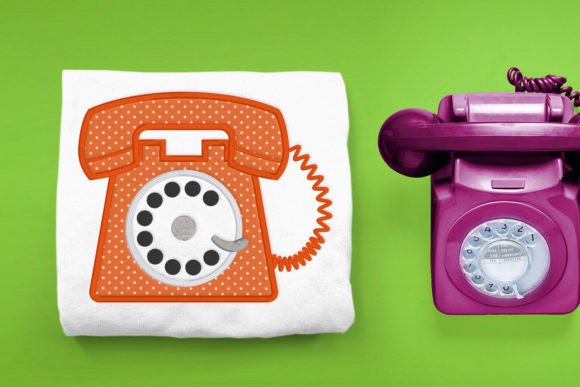
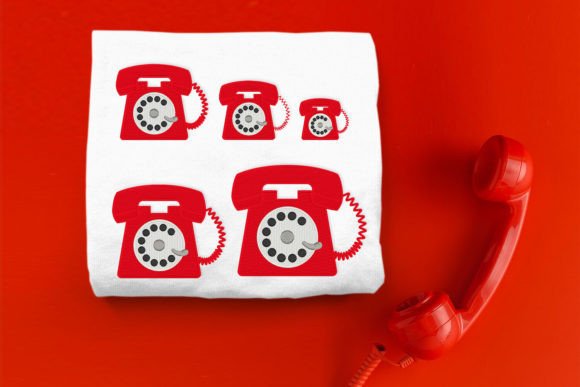
The immediate appeal of this design lies in its simplicity. The silhouette of an old rotary phone is instantly recognizable, evoking a sense of reliability and classic style. In my experience, designs that rely on strong, clean lines tend to hold up better over time than those cluttered with excessive detail. This machine embroidery design captures the essence of the rotary dial and handset without getting lost in the weeds of minute hardware details. It feels playful yet professional, making it suitable for a wide range of applications.
The mood it creates is one of approachable vintage. It is not trying to be high-tech or futuristic; rather, it celebrates the analog era. For a crafter or small business owner, this translates to a product that feels curated and thoughtful. When you place this on a canvas tote or a cotton sweatshirt, it adds a layer of personality that resonates with customers who value authenticity. The "mini" aspect of the title suggests a compact footprint, which is crucial for maintaining balance on smaller items like baby clothes or embroidered patches.
Real-World Application: From Mockup to Finished Product
Let’s talk about how this design performs when we move beyond the screen. I recently considered using this embroidery project for a line of custom aprons for a local bakery client. The goal was to create something that felt homey but distinct. The Rotary Phone Mini Embroidery fit perfectly into a kitchen-themed collection. On a sturdy canvas apron, the design stood out clearly, adding a touch of whimsy without looking childish.
Another scenario involves creating personalized gifts for a boutique wedding shop. Imagine a set of monogrammed handkerchiefs or pillow covers featuring this design alongside the couple’s initials. The retro phone symbolizes connection and communication, making it a subtle but meaningful metaphor for marriage. In this context, the design elevates the perceived value of the handmade product. It transforms a standard item into a keepsake.
For Etsy sellers and digital product sellers, this design is a powerhouse for printable mockups. Because the shape is so iconic, it photographs well and draws the eye in online listings. Whether you are selling the digital embroidery file itself or finished goods, the visual clarity ensures that your branding remains consistent. It works equally well as a standalone accent on a tote bag design or as part of a larger collage on a sweatshirt embroidery layout.
Performance on Different Fabrics and Garments
The success of any embroidery depends heavily on the substrate. This design shines on stable, woven fabrics such as cotton twill, denim, and linen. These materials provide the necessary structure to support the stitches without puckering. However, caution is required when working with textured fabrics or thin materials. If you attempt to stitch this onto a loosely woven jersey or a highly textured bouclé fabric, the fine details of the rotary dial may get lost, resulting in a muddy appearance.
I also recommend testing this design on dark fabrics with careful thread color selection. A white or cream thread on a black background will create a striking contrast, highlighting the curves of the handset. Conversely, using a low-contrast thread on a similarly colored fabric might cause the design to blend in too much, losing its impact. Always check thread color contrast before committing to a large batch of production.
Technical Considerations and Stitch Quality
One of the most notable technical features of this design is its handling of the cord. According to the product description, on the smallest two sizes, the cord is rendered using a bean stitch instead of a satin stitch. This is a smart engineering choice. Satin stitches can sometimes appear bulky or prone to breaking on very small scales, whereas bean stitches offer a softer, more flexible finish that mimics the texture of a real cord. This attention to detail enhances the realism of the finished product.
However, designers must still pay close attention to stitch density. While the design is likely optimized for clarity, running it through a test hoop is non-negotiable. Inspect the small details, particularly the rotary dial holes and the handset curve. Are they crisp? Is there any gap between stitches? If you are using this for commercial embroidery, consistency is key. A single poorly stitched unit can damage customer trust.
It is also important to consider the stability of the fabric during stitching. Using the proper stabilizer is critical, especially if you are embroidering on stretchy fabrics like t-shirt material or caps. A cut-away stabilizer is often recommended for garments that will undergo frequent washing, ensuring the design retains its shape and does not distort over time. For temporary projects like holiday gifts, a tear-away stabilizer might suffice, but always test first.
Where to Use Carefully
While this design is versatile, there are places where it should be used with caution. Avoid placing it on curved surfaces like baseball caps unless you are experienced with multi-hoop techniques or specialized cap frames. The flat nature of the design may not follow the curvature of the hat smoothly, leading to distortion at the edges. Similarly, be wary of using it on layered garments where the bulk of the embroidery could create discomfort against the skin.
Additionally, while the design is charming, it may not be the best choice for products that require frequent heavy-duty washing, such as workwear uniforms, unless high-quality threads and robust stabilization methods are used. Over time, even well-stitched designs can wear down if subjected to abrasive laundering conditions. For baby embroidery, ensure that all threads are securely trimmed and that no loose ends remain, prioritizing safety and comfort.
Strategic Value for Craft Businesses
From a business perspective, Rotary Phone Mini Embroidery offers significant potential. It taps into the ongoing trend of retro and vintage aesthetics, which continues to drive consumer interest. By incorporating this design into your inventory, you can attract a niche audience that values nostalgia and craftsmanship. It is an excellent addition to a craft business portfolio, particularly for those specializing in personalized gifts or small shop products.
For apparel decorators, this design serves as a great upsell item. Customers who come in for a simple logo embroidery might be persuaded to add this fun accent to their order. It adds value without significantly increasing production time, provided the design files are prepped correctly. Furthermore, because the design is relatively small, it allows for efficient hooping, maximizing your machine’s output per hour.
Final Verdict
In conclusion, Rotary Phone Mini Embroidery is a well-crafted design that delivers on both aesthetic and practical fronts. Its clean lines, nostalgic charm, and technical considerations make it a reliable choice for a variety of embroidery project types. Whether you are creating custom apparel, designing digital assets, or producing handmade products for sale, this design adds a layer of professionalism and personality that customers appreciate.
As with any design, due diligence is essential. Test it on scrap fabric, verify the licensing terms for commercial use, and ensure your equipment is set up for optimal performance. When executed correctly, this design will not only look beautiful but also stand the test of time, serving as a staple in your creative arsenal for years to come.