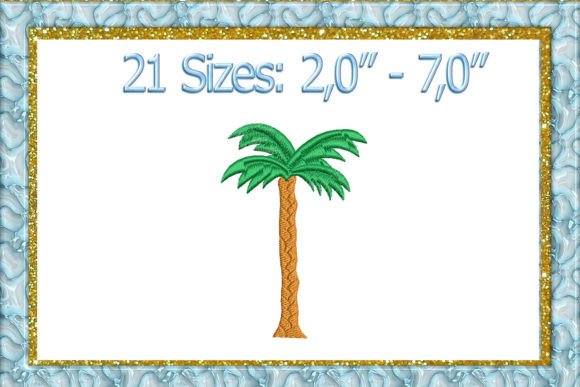
Palm Tree Embroidery Review for Craft Fairs
As an experienced embroidery designer who spends weekends hunched over a sewing machine and weekdays optimizing Etsy listings, I am always looking for designs that bridge the gap between artistic charm and commercial viability. When I first laid eyes on the Palm Tree Embroidery design, my immediate thought was not just about aesthetics, but about placement. Could this work on a tote bag? Would it pop on a kitchen towel? Does it have the visual weight to stop a browser in their tracks at a crowded craft fair?
The product description highlights a small palm tree, described as a mini palm tree or coconut tree, suitable for beach or sunset themes. It comes with 12 sizes, ranging from 2.75” x 3.98” (69.8mm x 101.0mm). This versatility is the first green flag for any digital seller or boutique maker. In this review, I will break down how this specific embroidery file performs in real-world production scenarios, focusing on what sells, what looks premium, and what practical considerations you need to keep in mind before hitting "start" on your hoop.
First Impressions: The Vibe of Palm Tree Embroidery
When evaluating a machine embroidery design, the first thing I assess is its stylistic personality. Based on the title and the concept of a "mini palm tree," this design leans heavily into coastal, tropical, and relaxed vibes. It feels modern yet rustic—a perfect fit for the current demand for handmade products that evoke a sense of escape without being overly kitschy.
Unlike large, sprawling floral arrangements that can overwhelm a garment, this design appears to be a contained, focused motif. This makes it incredibly versatile. It doesn't scream for attention; rather, it whispers sophistication. For an Etsy seller or a booth owner at a weekend market, this subtlety is a strength. It suggests a small shop product that feels curated and thoughtful, rather than mass-produced. Whether you are aiming for a farmhouse aesthetic with neutral tones or a bright, summer-ready look with vibrant threads, this design provides a solid foundation.
Product Applications: Where Palm Tree Embroidery Shines
The true test of any embroidery design is its adaptability across different substrates. Here is how I envision Palm Tree Embroidery performing on key craft fair staples:
- Tote Bag Design Potential: A canvas tote is the bread and butter of the handmade market. Placing a single, centered palm tree on the front of a natural jute or heavy cotton canvas creates an instant classic. Because the design comes in multiple sizes, you can use the smaller dimensions (like 2.75”) as a subtle accent near the handle base, or the larger sizes for a bold central statement. It photographs beautifully against textured fabric, adding depth to your online listings.
- Apron Embroidery & Tea Towel Embroidery: Kitchen items are high-volume sellers. On a white or cream apron, this design offers a clean, fresh look. For tea towel embroidery, the vertical orientation of many palm trees works well with the long shape of the towel. However, be mindful of the fabric texture; highly textured flour sack towels might obscure fine details if the design has tiny stitches.
- Embroidered Patch & Caps: If the design includes a satin border or a dense fill, it translates exceptionally well as an embroidered patch. You can sew these onto denim jackets, beanies, or baseball caps. The "mini" aspect mentioned in the description suggests it fits comfortably on the curved surface of a cap without distorting the shape.
- Fabric Pouches & Pillow Covers: For smaller accessories like zipper pouches or decorative pillow covers, this design adds a touch of luxury. It elevates a simple linen pillow into a destination piece for a living room shelfie—essential content for social media marketing.
Practical Selling and Production Points
From a business perspective, efficiency is key. One of the strongest assets of this digital embroidery file is its inclusion of 12 sizes. This means you do not need to buy separate files for different products. You can use one master file for a batch production run of 50 tea towels, resizing digitally within your software to ensure perfect proportions. This repeatability is crucial for maintaining profit margins.
Photography is another critical factor. A simple palm tree design is easy to photograph because it does not compete with complex backgrounds. When creating printable mockups for your shop, this design stands out clearly. It reads well even at thumbnail size on mobile devices, which is where most of your traffic will come from. Customers can instantly understand what they are buying, reducing hesitation and increasing conversion rates.
Furthermore, the design’s simplicity aids in brand consistency. If you are building a brand around coastal living, travel, or summer relaxation, this design asset becomes a recognizable signature element. Buyers begin to associate that specific silhouette with your shop, fostering loyalty and repeat purchases.
Careful-Use Notes and Technical Considerations
While the design sounds promising, no professional jumps straight into production without due diligence. Here are the technical warnings every embroiderer must heed:
- Stitch Density and Tiny Details: Although described as a "mini" tree, check the stitch density in your digitizing software. If the leaves are too thin or the trunk lacks sufficient fill, the design may pucker on lightweight fabrics or lose clarity when embroidered at the smallest sizes. Always inspect the underlay stitches to ensure stability.
- Fabric Texture and Contrast: Embroidery relies on contrast. If you plan to stitch this on dark fabric, you will need a stabilizer backing or a contrasting thread color to make the palm tree visible. Conversely, on light fabrics, ensure your thread colors pop. Avoid using beige thread on khaki fabric unless the intent is a very subtle, tone-on-tone effect.
- Hoop Size and Curved Surfaces: Confirm the hoop size required for the largest variation. If you are embroidering on curved surfaces like caps or bags, the tension must be adjusted carefully. A design that looks flat on a hoop may distort when stretched over a rounded object. Test on scrap material first.
- Small Lettering and Clarity: While this design focuses on the tree, some variations might include text. Be cautious with small lettering; it often becomes illegible after washing. Stick to the graphic element for maximum durability and impact.
Designer’s Checklist for Success
Before you list this as a commercial embroidery item or start your craft fair inventory, follow this professional checklist:
- Test on Scrap Fabric: Never assume a design will work perfectly. Stitch it out on the exact fabric you plan to sell. Check for puckering, thread breaks, or misalignment.
- Check Thread Colors: Experiment with different thread colors. A navy blue palm tree on white canvas looks nautical; a gold metallic thread on black canvas looks festive and premium.
- Review Spacing and Stabilizer: Ensure you are using the right stabilizer for your fabric type. Cut-away stabilizer is usually best for stretchy fabrics like jersey, while tear-away works for stable wovens.
- Create Real Mockups: Produce at least one physical sample. Photograph it in natural light. Show it on a model or styled on a table. This builds trust with buyers.
- Confirm Licensing: Most importantly, verify the license terms. Ensure you have the right to sell finished products made from this embroidery file. Some designers restrict commercial use, so read the fine print.
In conclusion, Palm Tree Embroidery is a strong contender for any maker looking to expand their seasonal collection. Its versatility across totes, kitchen goods, and accessories, combined with its clear, appealing aesthetic, makes it a smart investment. By paying attention to the technical details like stitch density and fabric choice, you can transform this digital asset into a tangible, profitable craft fair product that customers will love.