Flower Basket Embroidery Designs Review
As an embroidery designer who has spent years turning digital files into tangible brand assets, I look at every new design with a specific question: Will this sell? It is not enough for a design to simply look pretty on a screen. For small business owners, Etsy sellers, and merch creators, the true test lies in how the design translates to physical products like branded patches, apparel, and home decor. Today, I am reviewing the Flower Basket Embroidery Designs from the Bouquets category to see if it holds up under the pressure of commercial use.
This design promises a colorful look suitable for pillows, towels, bags, apparel, and general home decor. But does that versatility translate to professional-grade merchandise? Let’s break down the visual personality, practical application, and strategic value of this machine embroidery design.
First Impressions and Visual Personality
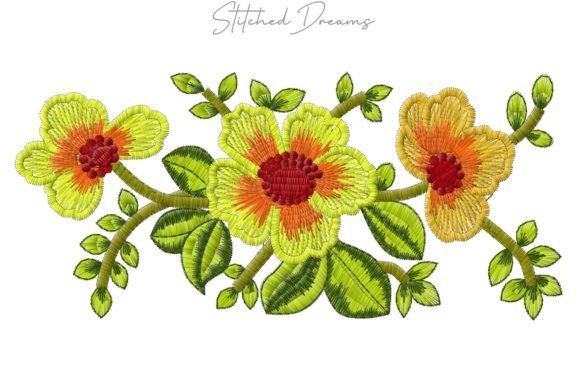
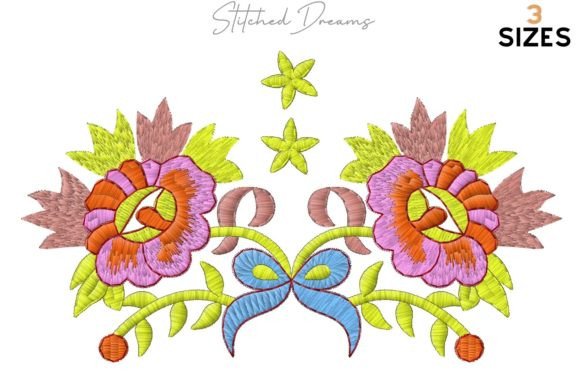
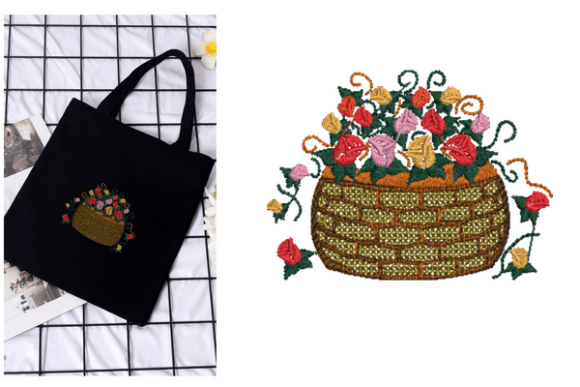
When you first load the Flower Basket Embroidery Designs file into your digitizing software, the immediate takeaway is its approachable charm. The description highlights a "colorful look," which suggests a vibrant thread palette rather than a muted or minimalist aesthetic. This makes the design feel friendly, handmade, and slightly rustic, yet polished enough for premium branding.
For a florist shop, a boutique bakery, or a creative studio, this visual personality is gold. It communicates warmth and care—values that are central to most small businesses. Unlike stark, modern geometric logos that can feel cold, a flower basket evokes growth, beauty, and natural elegance. It strikes a balance between playful and classic, making it safe for a wide audience while still standing out as a unique design asset. If your brand identity relies on being welcoming and artisanal, this embroidery file aligns perfectly with those goals.
Real-World Business Applications
The true value of any digital embroidery file is its adaptability. Here is how Flower Basket Embroidery Designs performs across various high-demand product categories:
- Embroidered Patches: One of the strongest uses for this design is as a standalone patch. Whether sewn onto denim jackets, canvas totes, or leather journals, the basket motif provides a focal point that draws the eye. It works exceptionally well for small business merch where customers want a badge of affiliation or style.
- Apron Embroidery: For cafes, bakeries, and crafters, aprons are both uniform and marketing tools. Placing the flower basket on the chest pocket or centered on the bib adds a touch of professionalism without looking corporate. It softens the workwear aesthetic, making staff appear more approachable.
- Tote Bag Design: Canvas tote bags are ubiquitous in the handmade community. This design fills the space beautifully without overwhelming the fabric. It serves as a walking advertisement for your brand, especially when paired with subtle text below the basket.
- Cap Embroidery: While detailed designs can struggle on curved surfaces, a basket of flowers often has a balanced composition that reads well on a cap front. It adds a feminine or nature-inspired flair to baseball caps, beanies, or bucket hats, perfect for seasonal collections.
- Product Packaging Accents: Don’t overlook non-apparel items. Sewing a small version of this design onto kraft paper tags, gift boxes, or even reusable shopping bags elevates the unboxing experience. It signals that attention to detail matters.
Furthermore, this design fits seamlessly into event merchandise. Trade shows, farmers markets, and craft fairs benefit greatly from cohesive visual themes. A matching set of aprons, caps, and tote bags featuring Flower Basket Embroidery Designs creates a unified booth presence that builds brand identity and customer trust.
Where Caution Is Required
Not every surface is created equal, and even the best machine embroidery design can fail if placed incorrectly. There are specific scenarios where you must exercise caution:
- Small Patch Sizes: If you plan to scale this design down to less than 2 inches, details may merge. Fine lines between petals or stems might become indistinguishable blobs of color. Always check the legibility at the intended final size.
- Curved Surfaces: When embroidering directly onto items like caps or sleeves, the curvature can distort the circular nature of a basket. Ensure your hoop allows for proper tension management to prevent puckering.
- High Stitch Density: Check the stitch density of the file. If the basket area is too dense, it can make lightweight fabrics stiff and uncomfortable. For delicate materials like silk or thin cotton, ensure the design uses appropriate fill patterns.
- Dark Uniforms: On dark fabrics, contrast is key. If the design relies on light pastel threads, it may get lost against black or navy backgrounds. You may need to add a backing or adjust thread colors to maintain visibility.
- Frequent Washing: For items like work shirts or kitchen aprons that undergo frequent laundering, ensure the stabilizer used during production is removed properly and that the stitches are secure. Loose threads can unravel over time, damaging the finished product.
Impact on Brand Identity and Customer Trust
In the world of handmade products, presentation is everything. Customers often associate the quality of the embroidery with the quality of the core product. A crisp, well-executed Flower Basket Embroidery Designs project signals professionalism. It tells the buyer that you care about the details.
Visual consistency drives recognition. By using this design across multiple touchpoints—from social media printable mockups to actual physical goods—you reinforce your brand’s aesthetic. This repetition helps customers remember your name and associate it with the warmth and beauty depicted in the basket. Moreover, custom apparel featuring such distinctive imagery fosters a sense of community among your buyers, who often wear their purchases as a statement of their own values.
Practical Designer Notes for Production
Before you commit to a large production run, follow these essential steps to ensure success:
- Test in Black and White: Convert the design to monochrome to check contrast and spacing. If it looks cluttered in grayscale, it will likely look messy in color.
- Check Thread Color Contrast: Verify that the chosen thread colors pop against your target fabric. Run a quick swatch test to confirm hue accuracy.
- Inspect Spacing and Hoop Size: Confirm the hoop size required by the file matches your machine’s capabilities. Ensure there is adequate negative space around the edges to prevent trimming errors.
- Use Proper Stabilizer: The choice of stabilizer (cut-away vs. tear-away) depends on the fabric texture. For stretchy knits, a cut-away stabilizer is usually necessary to prevent distortion.
- Create a Mockup: Before producing inventory, create a printable mockup or a single sample piece. Get client approval or test it yourself to see how it feels in hand.
- Confirm Commercial Licensing: Most importantly, verify that you have the right to use this embroidery file for commercial purposes. Selling finished goods requires a commercial license; personal use licenses do not cover merchandise sales.
By treating Flower Basket Embroidery Designs with the same rigor as any other critical business tool, you can transform a simple floral motif into a powerful driver of sales and brand loyalty. It is a versatile, charming addition to any designer’s library, provided it is executed with technical precision and strategic placement.