Earring 3D Rose Embroidery Review
As an embroidery designer who spends weekends hunched over my hoop at craft fairs, I have learned one hard truth: customers buy with their eyes first, but they commit to the product based on perceived quality. When I was scouting for a design to anchor my booth this season, Earring 3D Rose Embroidery caught my attention. It promises a blend of elegance and modern flair that could easily elevate simple handmade goods into premium gifts. But does it hold up under the scrutiny of production? Can it translate from a digital screen to a tangible, sellable item that stands out in a crowded market?
I decided to put Earring 3D Rose Embroidery through its paces. I imagined setting up a table display featuring embroidered tote bags, aprons, tea towels, patches, caps, small pouches, and pillow covers. My goal was to evaluate where this design would stand out, how customers might notice it from across the aisle, and what type of product gives it the best chance to sell. Here is my honest review from the perspective of a professional maker.
First Impressions and Visual Appeal
The title Earring 3D Rose Embroidery suggests a design that is both delicate and dimensional. Based on the description, which mentions adding text or design elements into the background, this asset feels versatile. It strikes a balance between elegant and modern, avoiding the overly rustic or cliché farmhouse aesthetics that are saturating the market. The "3D" aspect implies depth, which is crucial for catching light and drawing the eye in a physical retail environment.
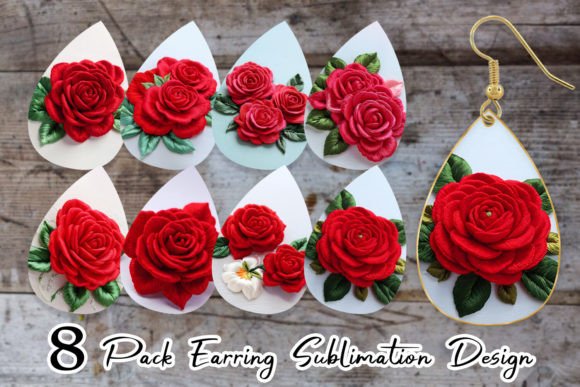
For an Etsy seller or boutique maker, visual appeal is everything. This design feels premium. It is not just a flat image; it has the potential to look luxurious when stitched. The teardrop shape mentioned in the bundle description adds a unique silhouette that differs from standard circular or square motifs. This uniqueness is a powerful selling point. It makes your booth feel curated rather than generic. When a customer sees a tote bag design featuring a sophisticated rose motif, they immediately associate the item with higher value, allowing you to price your products competitively while maintaining healthy margins.
Product Application and Versatility
One of the biggest challenges in the handmade industry is finding a single embroidery file that works across multiple product lines. Earring 3D Rose Embroidery excels here. Its adaptability makes it a powerhouse for batch production. Let’s look at how it performs on key items:
- Tote Bags and Market Bags: A large, high-resolution PNG allows for scaling without losing clarity. Placing the rose as a focal point on canvas totes creates a chic, everyday accessory. The contrast against natural cotton or bold solid colors will make the design pop.
- Apron Embroidery: For kitchen-focused items, this design adds a touch of sophistication. It transforms a utilitarian apron into a gift-worthy item. It works well centered on the bib or placed slightly off-center for a modern look.
- Tea Towel Embroidery: Linen or cotton tea towels provide a perfect texture for stitching. The rose motif complements the fabric grain, enhancing the tactile experience. These are low-cost impulse buys that drive foot traffic to your booth.
- Embroidered Patch and Caps: The compact nature of many rose designs makes them ideal for cap fronts or back patches. However, be mindful of the curvature of the cap surface during digitizing.
- Pillow Covers and Pouches: For home decor and smaller accessories, this design adds a soft, decorative touch. It appeals to buyers looking for giftable handmade items for weddings, housewarmings, or holidays.
This versatility means you can create a cohesive brand identity across your shop. Whether a customer buys a small shop product like a coin purse or a larger statement piece like a quilted bag, the consistent use of Earring 3D Rose Embroidery reinforces your brand’s aesthetic.
Practical Production and Selling Points
From a production standpoint, efficiency is key. A craft fair product needs to be reproducible. If a design takes hours to stitch, your profit margins shrink. While exact stitch counts vary by digitizer, the structure of a rose motif typically relies on satin stitches and fill patterns that run relatively quickly if optimized correctly.
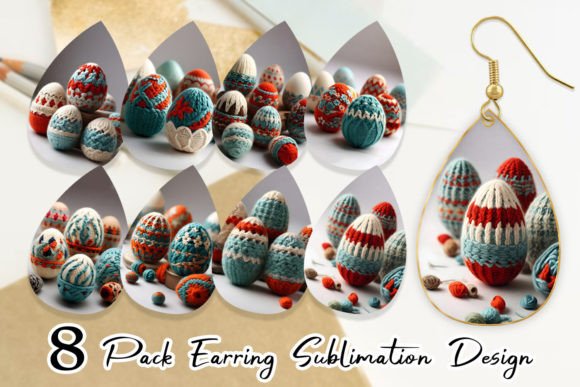
The fact that the bundle includes eight high-resolution PNG files is a significant advantage. These serve as excellent printable mockup assets for your online listings. You can visualize the design on different fabrics before committing to thread and stabilizer choices. This saves time and reduces material waste. Furthermore, having multiple variations allows you to test which colorways sell best. Do the pastel versions move faster? Or do the bold, contrasting threads attract more attention? Data-driven decisions help refine your inventory.
When photographing for your Etsy listing or social media, the 3D effect of the rose will catch shadows and highlights beautifully. This adds depth to your photos, making the digital listing feel more tangible. Customers appreciate seeing the texture and dimensionality of the embroidery, which builds trust in the quality of your work.
Careful-Use Notes and Technical Considerations
Even the most beautiful design can fail if technical details are ignored. As an experienced designer, I urge you to pay close attention to the following:
- Stitch Density: Check the density of the rose petals. If the stitches are too dense, the fabric may pucker, especially on lightweight materials like tea towels or thin cotton. Conversely, if it is too sparse, the design may lack definition. Always inspect the stitch pattern closely.
- Hoop Size: Ensure the design fits within your standard hoop sizes. If the teardrop shape is elongated, you may need a larger hoop or a specific placement strategy. Confirm the hoop size requirements before starting production to avoid mid-project errors.
- Fabric Texture: The choice of fabric dramatically affects the final look. Smooth cottons show detail best, while textured linen may obscure fine lines. Test the design on scrap fabric that matches your intended product material.
- Thread Contrast: Choose thread colors that contrast sufficiently with the fabric. Dark fabric requires bright or metallic threads to make the rose visible. Light fabric allows for subtler, tonal stitching. Poor contrast can render a stunning design invisible.
- Small Details: Be cautious with tiny details or small lettering if included. These often get lost in the stitching process or wear out quickly with washing. Simplify complex areas if necessary to ensure durability.
- Stabilizer Selection: Use the right stabilizer for your fabric. Cut-away stabilizers are generally safer for garments and frequent-wash items, while tear-away may suffice for home decor. Incorrect stabilization leads to misalignment and poor finish.
Final Verdict
Earring 3D Rose Embroidery is a strong contender for any crafter looking to expand their product line with elegant, high-quality items. Its visual appeal, versatility across multiple products, and suitability for both physical booths and online stores make it a valuable asset. It enhances brand consistency and boosts buyer engagement by offering a premium feel.
However, success depends on execution. Take the time to test the design, verify commercial licensing for your finished product, and invest in quality materials. By paying attention to stitch density, fabric choice, and presentation, you can turn this digital asset into a best-selling reality. For the dedicated handmade entrepreneur, Earring 3D Rose Embroidery offers the potential to create memorable, desirable goods that resonate with customers and drive sales.
Remember, in the world of commercial embroidery, details matter. Treat this design with the care it deserves, and it will reward you with satisfied customers and a thriving business.