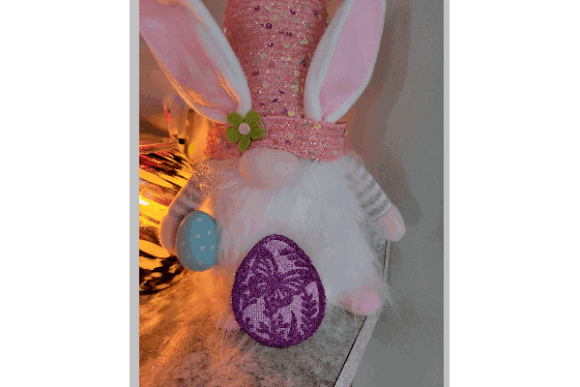
Butterfly Egg Embroidery Review
As an embroidery designer who spends weekends hunched over my machine and weekdays prepping booths for local craft fairs, I have learned that the difference between a design that sits on a shelf and one that flies off the table often comes down to visual storytelling. When I first laid eyes on the Butterfly Egg Embroidery file, my immediate reaction was one of curiosity mixed with strategic assessment. It is not just another floral motif; it is a narrative piece. The description promises "enchanting beauty" and "magnificent" qualities, which suggests a design that leans toward elegance and delicate artistry rather than bold, graphic simplicity. For any Etsy seller or boutique maker looking to expand their inventory, understanding how this specific embroidery file translates from screen to fabric is crucial.
First Impressions: Aesthetic and Market Positioning
The title alone sets a tone of whimsy and nature. In the current handmade market, there is a strong demand for items that feel organic, soft, and premium. This machine embroidery design appears to capture that essence perfectly. Unlike heavy, dense patterns that can look cluttered, a butterfly egg motif likely relies on fine details and subtle textures. This makes it ideal for customers who appreciate the finer points of craftsmanship. It feels less like a standard seasonal decoration and more like a timeless accent, though its connection to Easter gives it a timely boost during spring markets.
Visually, I imagine this design offering a high-end feel. The "egg" shape provides a contained, oval canvas that is naturally pleasing to the eye, while the butterfly element adds movement and life. For a craft fair product, this combination works because it invites closer inspection. Customers at a booth will lean in to see the detail, creating a moment of engagement that simple text-based designs often lack. It strikes a balance between being cute enough for children’s items and sophisticated enough for adult gift buyers.
Product Versatility: Where Does It Shine?
The description highlights its versatility, noting it as a perfect embellishment for towels or a standalone piece. Let us break down how this performs across various handmade products.
- Tea Towel Embroidery: This is perhaps the strongest application. A kitchen towel offers a flat, stable surface that allows the delicate stitches of the butterfly egg to show clearly without distortion. Placed in the corner or centered, it elevates a basic cotton towel into a giftable item. The contrast between the rougher texture of the terry cloth and the smooth satin stitches of the design creates a tactile appeal that photographs beautifully for online listings.
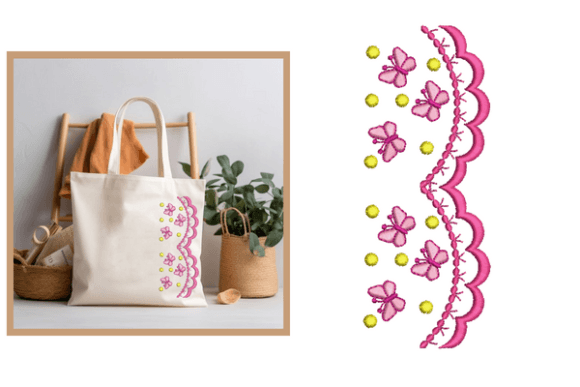
- Tote Bag Design: Canvas tote bags are a staple at craft fairs. However, placing a small, detailed design on a large bag requires careful sizing. If the hoop size is too small, the design may become indistinct. I recommend using this as a focal point on a smaller pouch or as a repeated pattern along the hem of a tote, rather than a single large center placement, unless the bag is minimalist.
- Apron Embroidery: Similar to towels, aprons provide ample space. This design would look stunning on a white or pastel linen apron, positioned near the pocket or chest area. It adds a touch of personality to a utilitarian item, making it a popular choice for home cooks and gardeners.
- Embroidered Patch: Converting this into a detachable patch opens up new revenue streams. Patches can be ironed or sewn onto denim jackets, backpacks, and caps. The self-contained shape of an egg lends itself well to patch formats, allowing customers to customize their own garments.
- Pillow Covers and Caps: For pillow covers, this design works best as a cluster or a single centered piece on a neutral background. On caps, caution is advised due to the curved surface; tiny details may get lost if the curvature is pronounced.
Production Practicality and Sales Strategy
From a production standpoint, efficiency is key. A design that is easy to hoist and stitch quickly yields higher profit margins. The Butterfly Egg Embroidery seems to offer a good balance. If it utilizes standard thread colors and moderate stitch density, it can be produced in batches efficiently. However, we must consider the stitch density. Designs with intricate internal details require higher quality threads to prevent tangling and breakage. Using cheap polyester thread might result in a dull finish that fails to capture the "enchanting" quality described.
Photography plays a massive role in selling digital embroidery files and finished goods. This design is highly photogenic. The natural theme pairs well with rustic props like wooden spoons, fresh flowers, or sunlight-drenched windowsills. When creating a printable mockup for your Etsy shop, ensure you highlight the texture of the stitches. Close-up shots that show the sheen of the thread and the precision of the work help justify a premium price point. Buyers want to know that the finished product looks as good in person as it does in the photo.
For batch production, consider the repeat potential. If the design scales well, it could be used on coordinated sets—such as a matching tea towel and napkin set—which increases the average order value. The "standalone" nature mentioned in the description also means it can be marketed as a quick project for beginners who want a professional-looking result without overwhelming complexity.
Critical Considerations for Success
Before committing to mass production, several technical factors must be addressed to ensure customer satisfaction.
- Fabric Texture and Contrast: The success of this design hinges on thread contrast. On dark fabrics, the delicate lines of a butterfly egg may disappear. Stick to light neutrals, whites, pastels, or natural linens to maintain clarity. Always test on the actual fabric you intend to sell, as woven textures can distort fine details.
- Stabilizer Choice: To preserve the integrity of the small egg shape, a cut-away stabilizer is often recommended, especially for stretchy fabrics like jersey or knits used in caps and baby items. For wovens like cotton towels, tear-away may suffice, but wash testing is essential to ensure no puckering remains after laundering.
- Size and Clarity: Be wary of shrinking the design too much. Tiny lettering (if present) or minute wing veins can merge into blobs if scaled below a certain threshold. Determine the minimum viable size through testing before listing it as a small accent option.
- Commercial Licensing: As a professional, you must verify the licensing terms. Ensure you have the right to sell physical items made from this commercial embroidery file. Some licenses restrict the number of units or prohibit resale entirely. Never assume; always read the fine print.
Final Verdict
The Butterfly Egg Embroidery design holds significant promise for craft fair sellers and online artisans. Its elegant aesthetic aligns well with current trends favoring nature-inspired, handcrafted goods. By selecting the right substrates—particularly tea towels and tote bags—and paying close attention to thread quality and fabric contrast, you can create standout small shop products that attract attention and drive sales. It is a versatile asset that, when executed with care, can elevate your brand’s perceived value and connect emotionally with buyers seeking unique, thoughtful gifts. Test thoroughly, photograph strategically, and let the enchanting beauty of the design do the talking.