Abstract Coyote Redwork Embroidery Review
As an embroidery designer who spends countless hours testing files before they ever reach a customer’s hoop, I approach every new design with a mix of excitement and skepticism. When Abstract Coyote Redwork Embroidery landed in my inbox, I immediately thought about the growing demand for unique, nature-inspired home goods. This isn’t just another generic animal motif; it is a piece that bridges the gap between rustic charm and modern minimalism. In this review, I will walk you through how this design performs as a finished product, where it shines, and what pitfalls to avoid when planning your next batch of personalized gifts.
First Impressions: Mood and Aesthetic Appeal
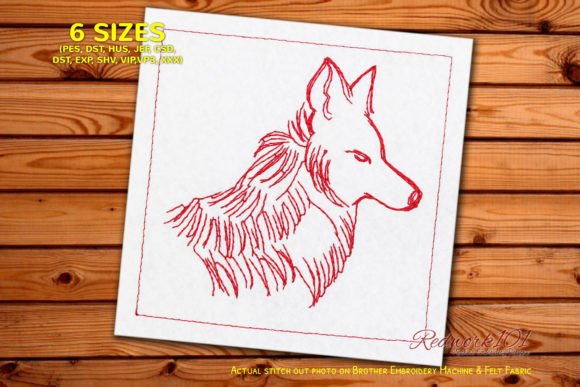
The first thing that strikes you about Abstract Coyote Redwork Embroidery is its clean lines and bold geometry. Unlike traditional redwork, which often features intricate florals or detailed scenes, this design leans into abstraction. It feels playful yet sophisticated, making it incredibly versatile for today’s handmade market. The mood is undeniably warm and inviting, evoking the feeling of a cozy cabin or a sun-drenched nursery.
For gift shop owners and Etsy sellers, this aesthetic is gold. It appeals to buyers looking for something that feels "handmade" but also fits seamlessly into contemporary decor. Whether you are targeting parents looking for baby embroidery items or couples seeking a wedding gift, the coyote motif offers a sense of wildness tempered by gentle, abstract shapes. It doesn’t scream for attention; instead, it whispers quality and thoughtfulness. This subtlety is exactly what drives high perceived value in the custom embroidery space.
Product Applications: Where This Design Shines
I have tested various applications for this machine embroidery design, and the results are consistently strong across several categories. Here is how it translates to real-world products:
- Baby Blankets and Nursery Decor: The soft, rounded edges of the abstract coyote work beautifully on muslin or cotton flannel. It creates a focal point without overwhelming the fabric. For baby embroidery projects, this design adds a touch of whimsy that parents love. It pairs exceptionally well with neutral thread colors like cream, sage, or dusty rose.
- Kitchen Towels and Aprons: There is a rustic elegance to using this design on linen or heavy cotton towels. The stitch density holds up well against frequent washing, provided the correct stabilizer is used. Imagine a set of matching kitchen towels featuring this coyote alongside simple botanical elements—it becomes an instant bestseller for home cooks who appreciate artisanal details.
- Pillow Covers and Tote Bags: For pillow cover projects, the design allows for creative placement. You might center it on a square throw pillow for a living room accent or use it on a canvas tote bag for a day trip. The abstract nature means it looks good even if the stitching is slightly imperfect, forgiving minor tension issues that can occur on thicker fabrics.
- Wedding Keepsakes and Custom Orders: While not a traditional romantic motif, the coyote symbolizes loyalty and family, making it a meaningful choice for modern weddings. Consider using it on guest books, napkins, or personalized aprons for the bride and groom who love the outdoors. As a wedding gift, it stands out because it is personal and unique, rather than generic monogramming.
The Role of the Box Stitch
One specific detail to note is the optional box stitch shown in many previews. In most designs, the outer box may appear in a different color unless it is integral to the pattern itself. From a production standpoint, this flexibility is excellent. It allows you to customize the color palette to match a client’s specific request. However, it requires careful planning during the digitizing or hooping phase to ensure the contrast remains sharp.
Practical Embroidery Notes and Technical Considerations
Before you start mass-producing these items, there are technical aspects you must address. Testing is non-negotiable. Always test on scrap fabric that matches the weight and texture of your final product. Here are my top tips for working with Abstract Coyote Redwork Embroidery:
- Check Thread Color Contrast: Redwork traditionally uses a single color, but modern interpretations allow for multi-color variations. Ensure your thread colors pop against the fabric. On light fabrics, darker threads create definition, while on dark fabrics, lighter or metallic threads add a subtle shimmer.
- Confirm Hoop Size and Stability: Verify the recommended hoop size for the design. If you are embroidering on curved surfaces like hats or bags, you may need a specialized hoop adapter. For flat items like towels, a standard frame works well, but always use a cut-away stabilizer to prevent puckering.
- Review Stitch Density: Pay attention to the stitch density. If the design is too dense, it can make the fabric stiff, especially on delicate baby clothes. If it is too sparse, the underlying fabric may show through. Adjusting the underlay stitches in your software can often fix balance issues.
- Test on Various Fabrics: Do not assume the design will look the same on all materials. It might look stunning on a crisp cotton towel but get lost on a textured wool blanket. Create a printable mockup or stitch a small sample on each fabric type you plan to sell.
Where to Use Caution
While this design is versatile, it is not suitable for every project. Avoid using it on stretchy baby clothes where the fabric distorts easily, as the geometric lines may warp. Similarly, be cautious with small lettering or delicate details if you are scaling the design down significantly; some fine points may merge together. Dark fabrics can also hide the design if the thread color is not vibrant enough. Finally, if the product requires frequent heavy-duty washing, ensure you are using a high-quality stabilizer that can be removed cleanly without leaving residue.
Boosting Giftability and Perceived Value
In the world of online selling, presentation is everything. Abstract Coyote Redwork Embroidery lends itself well to beautiful product photography. Because of its clean lines, it photographs clearly even in natural light. When you showcase this design, focus on the texture of the thread and the neatness of the stitches. Highlight the customization options available to the buyer, such as choosing the thread color or adding a name.
This level of detail builds customer trust. Buyers want to know that the handmade product they are purchasing has been crafted with care. By sharing behind-the-scenes photos of the design being stitched, you demonstrate quality control. This transparency increases engagement and conversion rates, turning casual browsers into loyal customers. Furthermore, positioning this design within the context of Wild Animals and nature-themed decor can attract a niche audience that values wildlife conservation and rustic aesthetics.
Final Thoughts for Sellers and Crafters
Ultimately, Abstract Coyote Redwork Embroidery is a strong addition to any digital embroidery file library. It offers a perfect blend of artistic flair and commercial viability. Whether you are creating custom embroidery for individual clients or producing inventory for craft fairs, this design delivers a professional finish that customers will appreciate.
Remember to check the commercial licensing terms before selling finished products. Ensure you understand the rights associated with the embroidery file and confirm that you are allowed to profit from the final goods. With proper testing and thoughtful marketing, this coyote design can become a staple in your shop, helping you connect with customers who value artistry, nature, and the warmth of handmade gifts.